01
Understand & document
Identify the source, its provenance, date, condition and the context that gives it meaning.
“Keep the message pure,
twenty-four carat gold.”
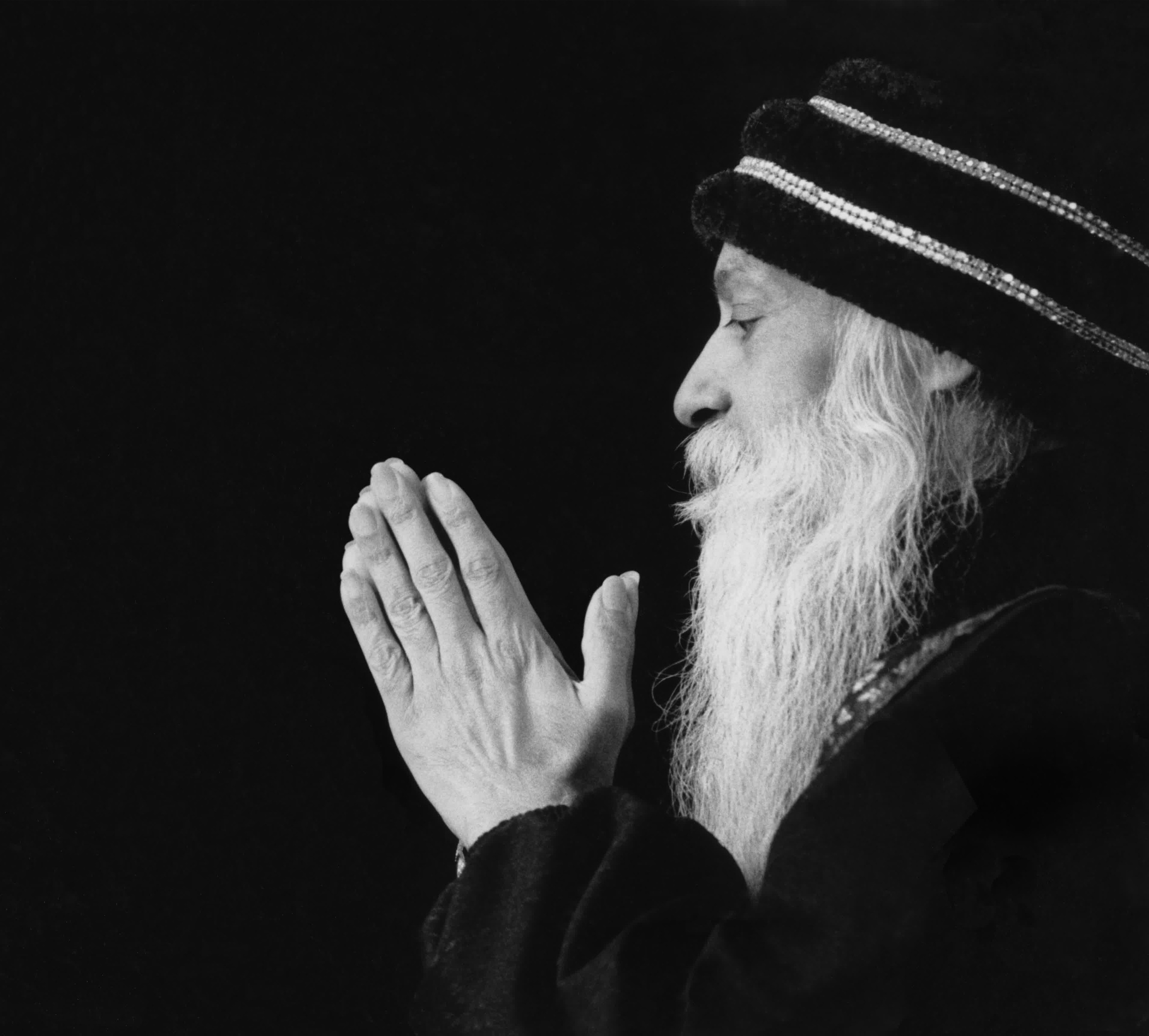
Osho's words and work have travelled through books, recordings, photographs, films, manuscripts, letters and many other original sources.
With time, these sources become vulnerable. Paper deteriorates. Photographs fade. Recordings age and formats become obsolete. Material kept privately can lose its history as it passes from one generation to another.
Preserving the message also means preserving the sources that carry it.Osho's life and work survive through many original sources — his words and voice, photographs and film, handwritten pages, published books, letters and personal objects. Together, they preserve a record that no single source can provide.
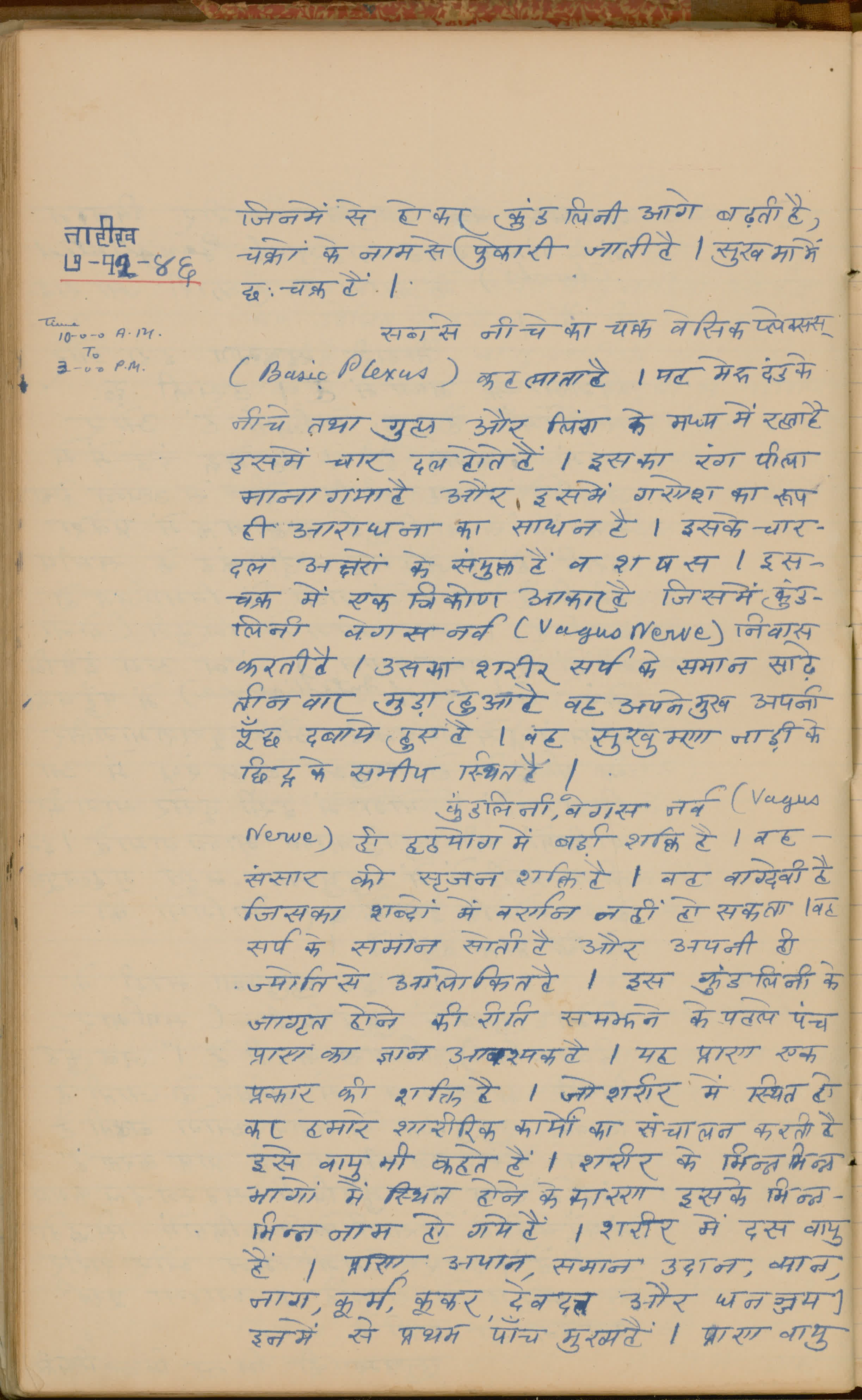
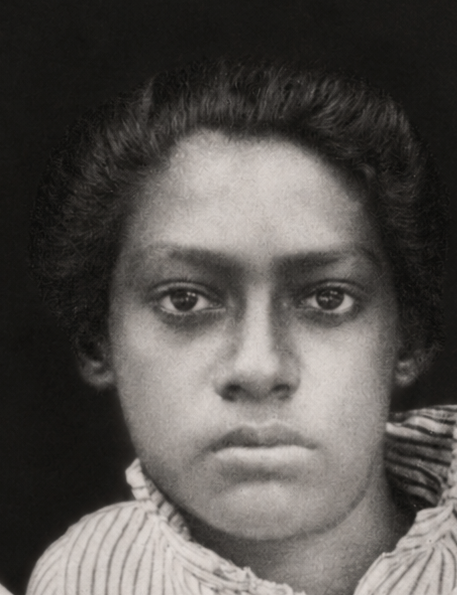
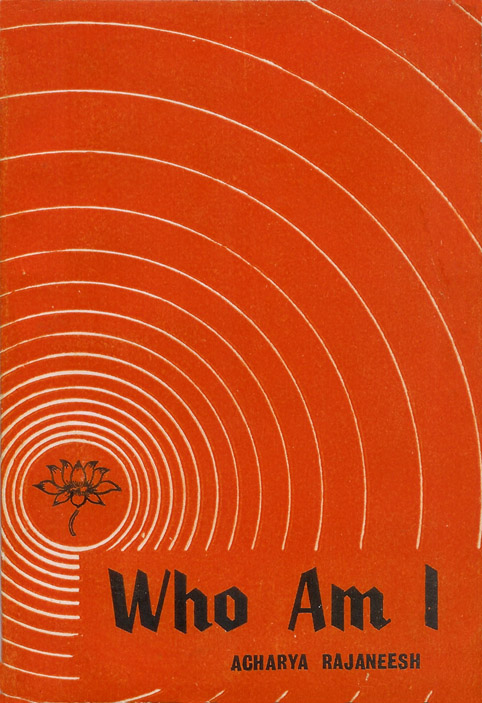
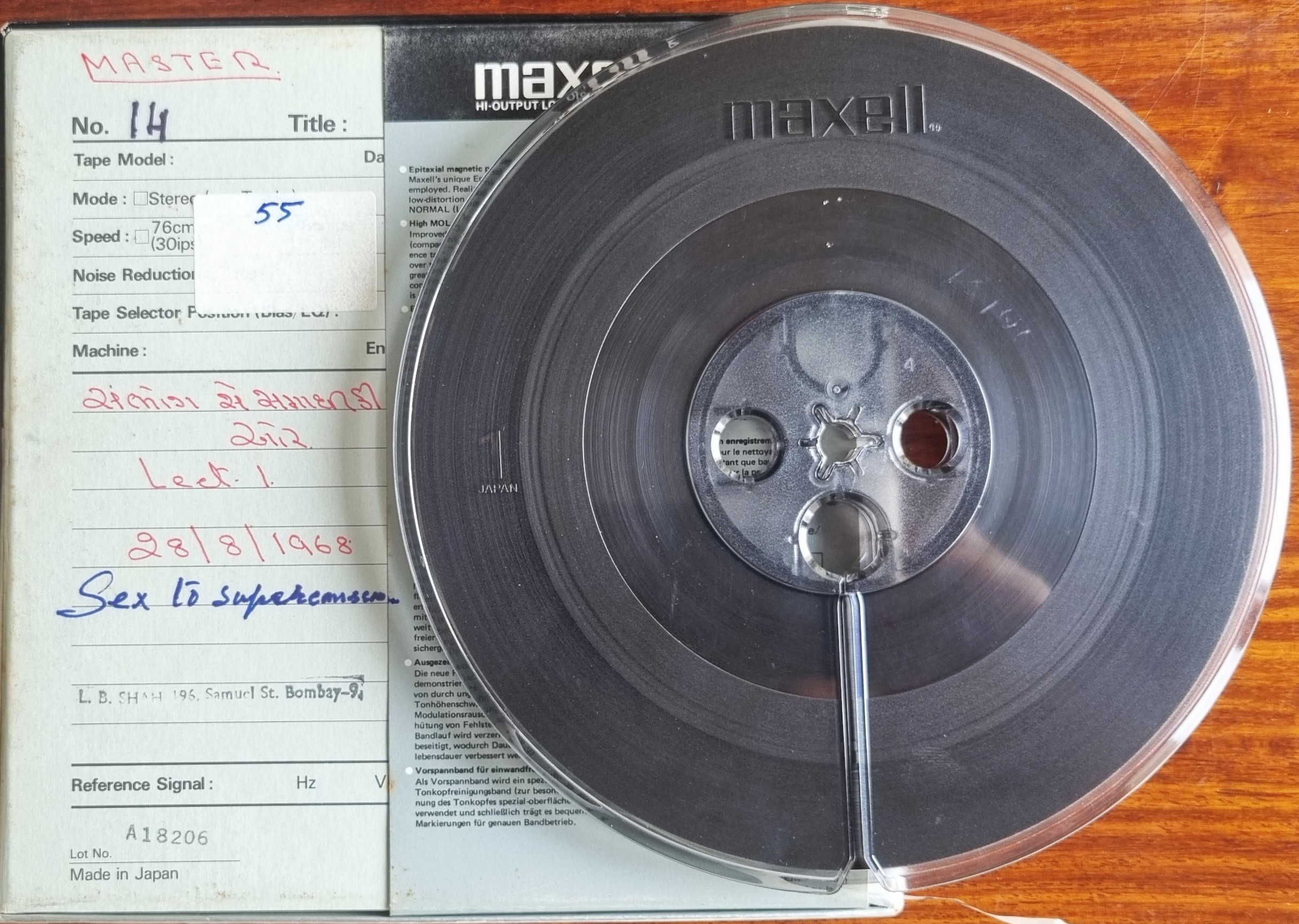
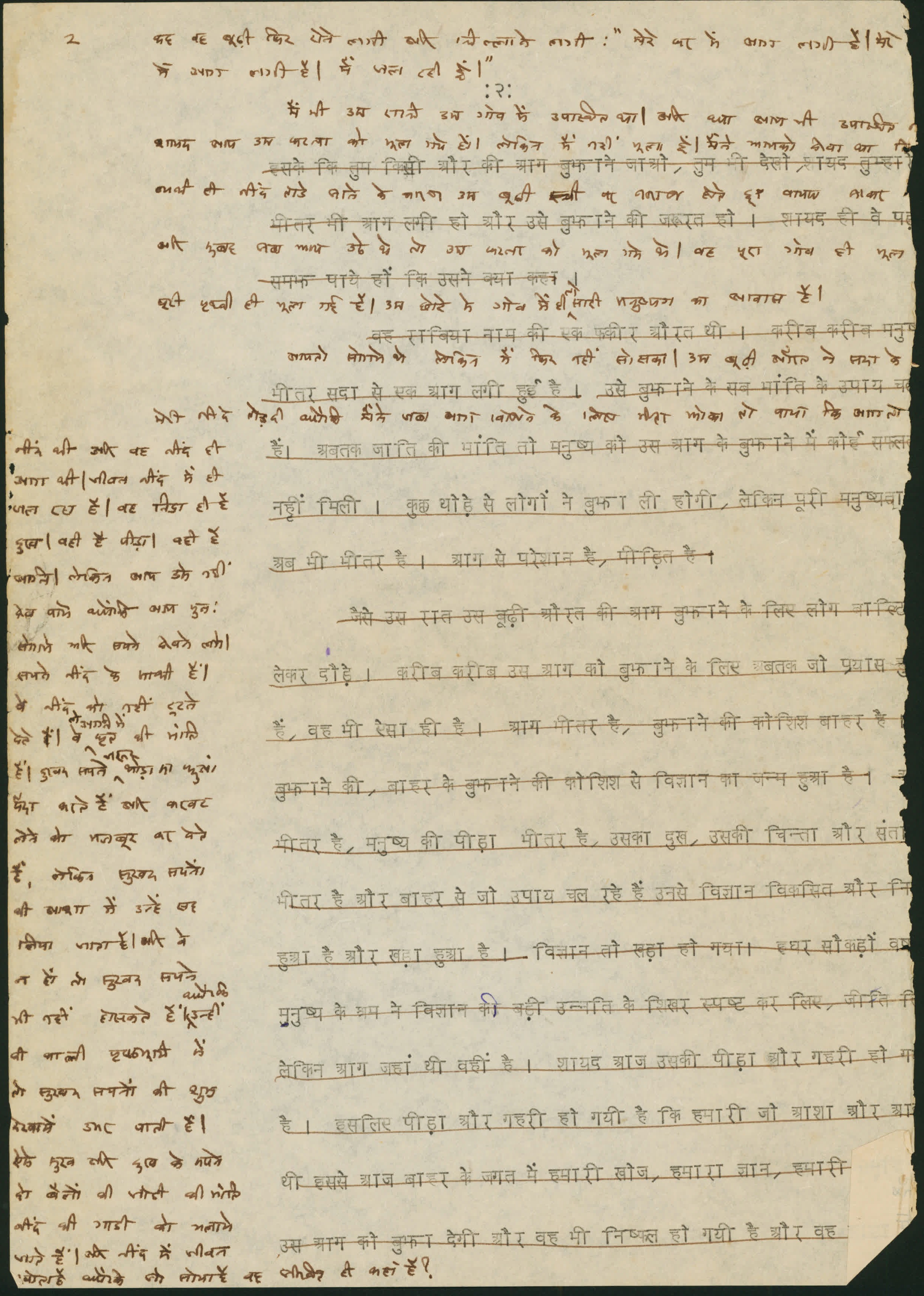
The typed text records one stage of the work. Osho’s handwritten revisions record another.
A transcription preserves the words. A reproduction preserves the image.
But the original may carry more — handwriting, corrections, signatures, dates, paper, printing, inscriptions and other traces of its history.
Preserving the source preserves that evidence.
Different materials require different forms of care. A manuscript, photograph, book, textile and recording cannot simply be treated alike. And preservation does not end when an object has been digitised.
Identify the source, its provenance, date, condition and the context that gives it meaning.
Care for each physical source according to the needs of its material, without compromising its authenticity.
Make high-quality digital records that reduce unnecessary handling and preserve reliable access to the source.
Review physical and digital records over time, responding to deterioration, new information and changing technologies.
Preservation remains an active responsibility for as long as the material survives.
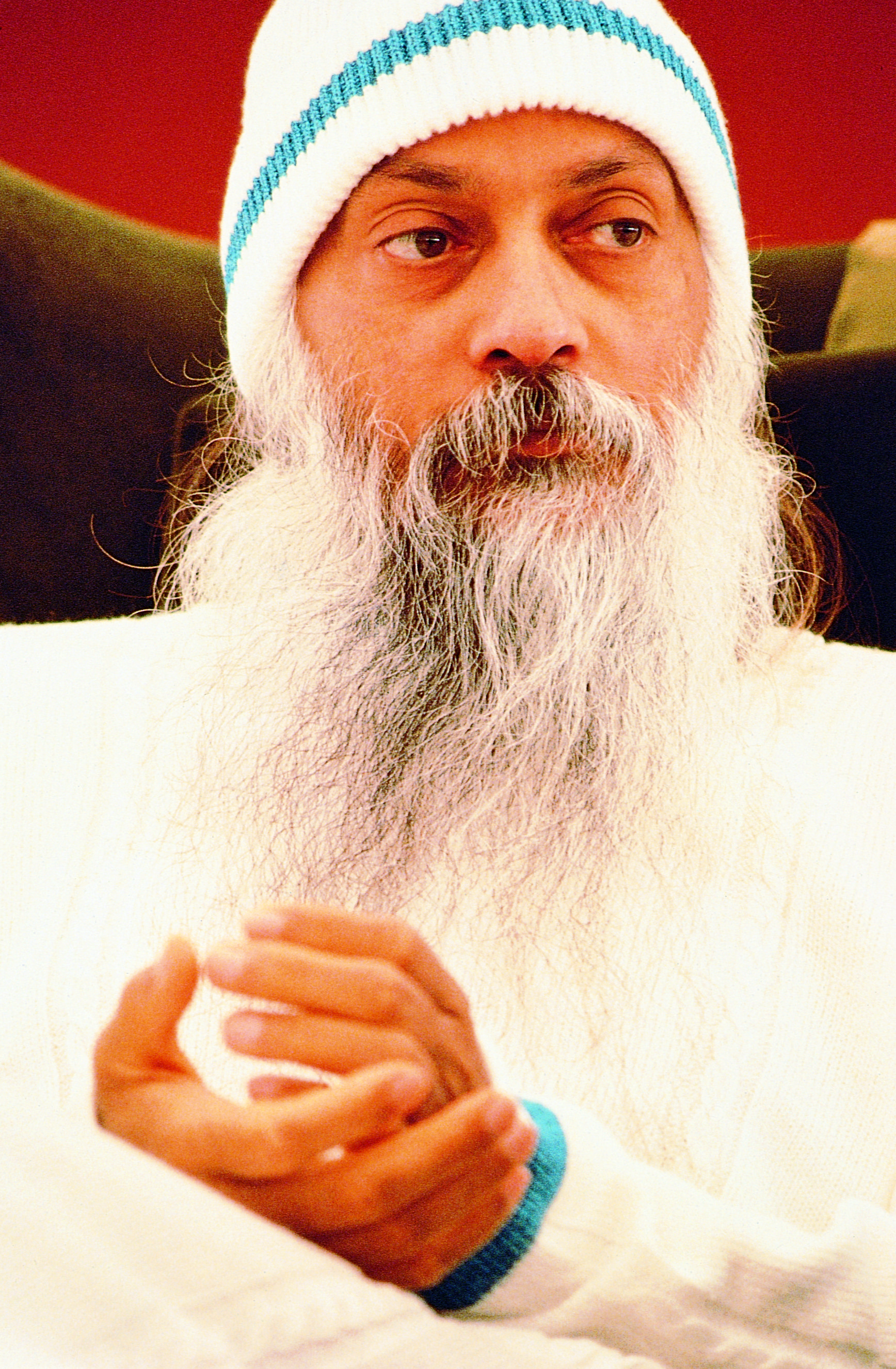
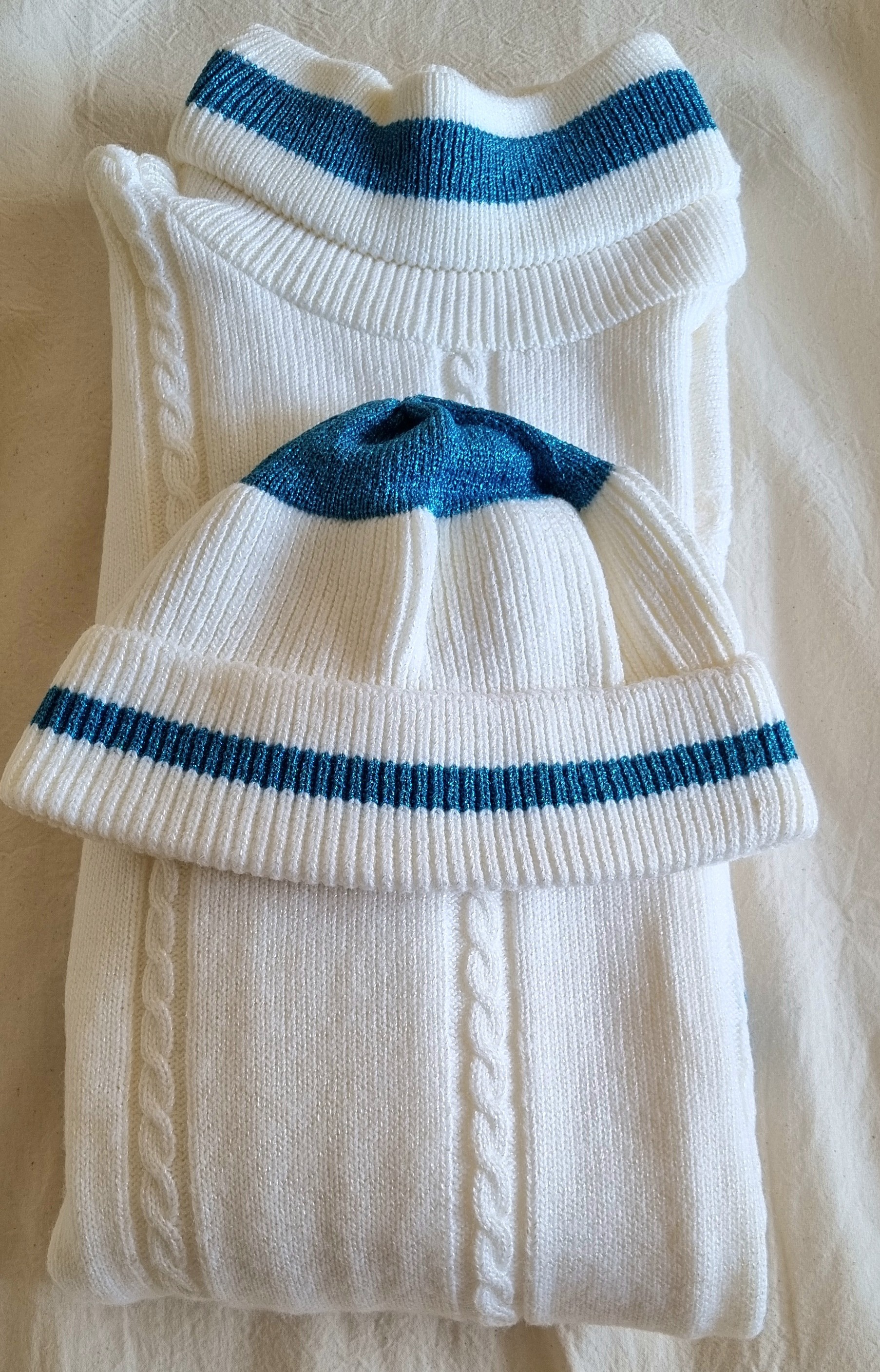
Across the world, original material connected with Osho has been carefully kept by individuals and families — sometimes for decades.
But circumstances change. Collections pass from one generation to another, and sometimes there is no one who can continue that care.
What has been carefully kept should not be lost simply because its future became uncertain.
Osho Resource Center offers a place where its long-term preservation can be considered carefully and responsibly.
If something in your care needs a future → Talk to us“The future is bound to be more receptive, more welcoming. We may not be here but we can manage to change the consciousness for centuries to come.”“Keep the message pure,
twenty-four carat gold.”
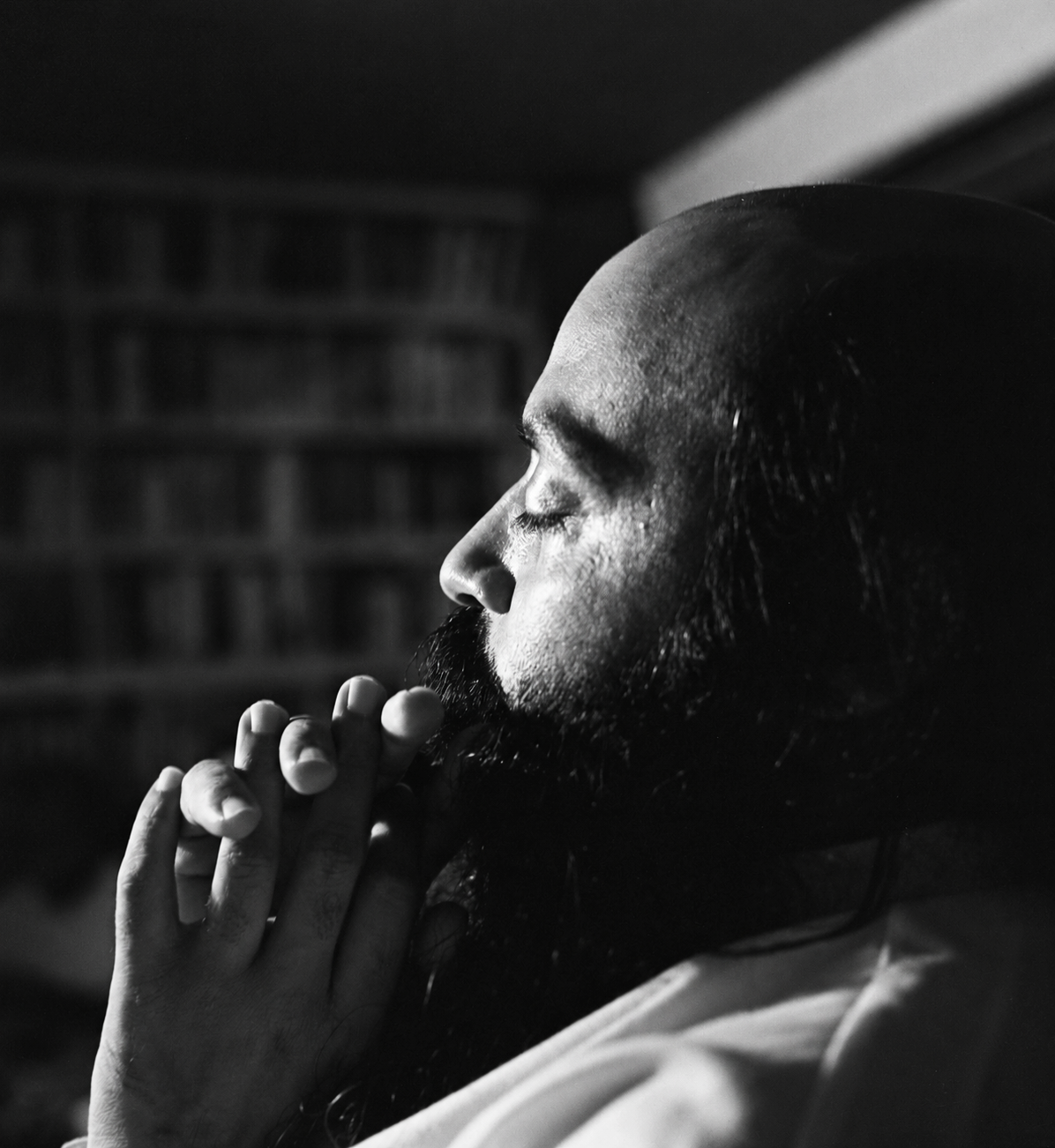
The Resource Center began with a search for early books. The search widened, and with it came a growing awareness that original sources carry more than their physical form: they carry evidence, context and human connections that can disappear.
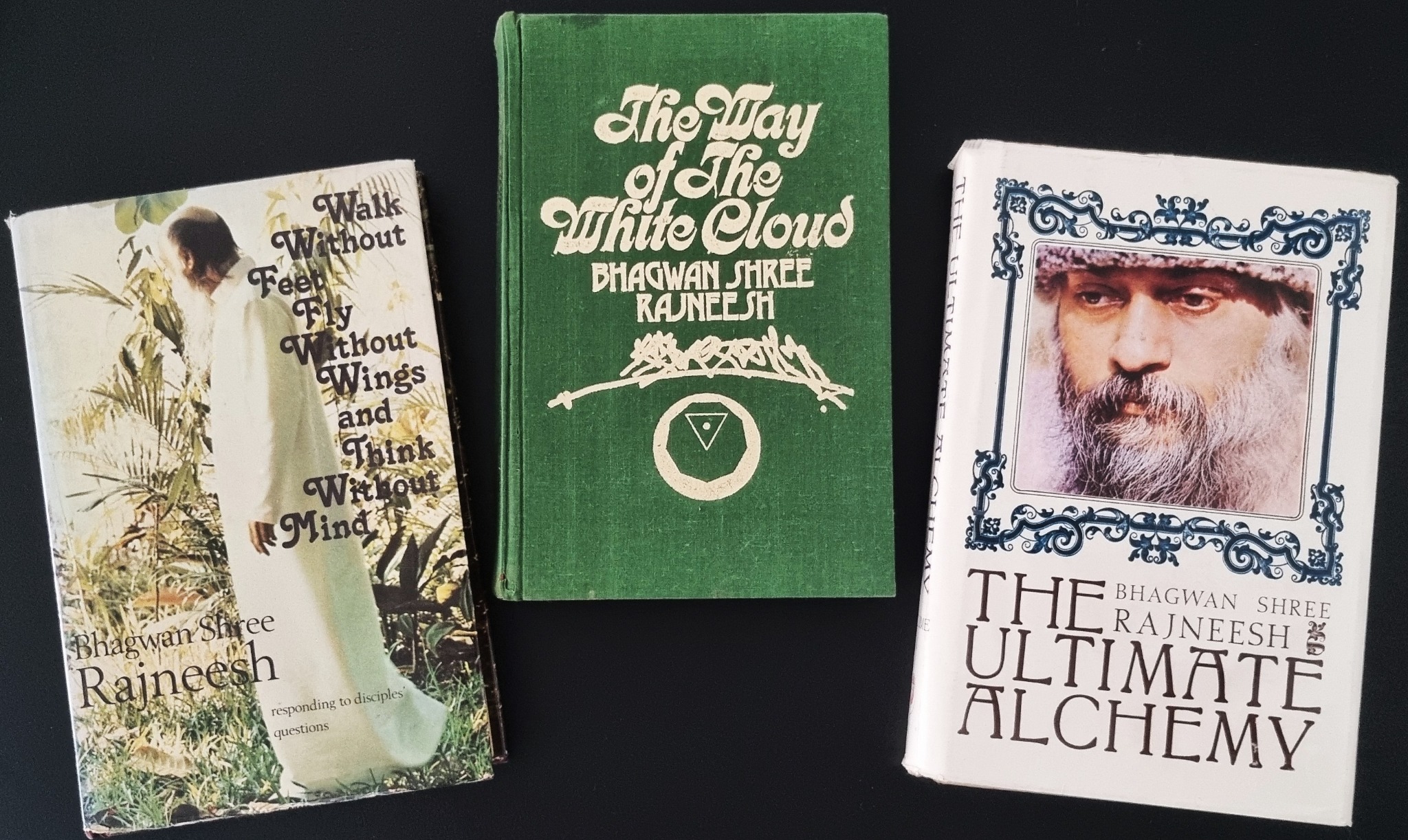
Around 2017, a search began for some of Osho's early first editions — books that had gradually become difficult to find.
Many had a character of their own: bindings, photographs, typography and details belonging to the time in which they were created. Some had disappeared. Others survived in old bookstores, meditation centres and private collections.
Books were only one part of the surviving record.
Photographs began appearing — meditation camps, lecture tours, portraits and informal moments from Osho's early years. Then came letters, handwritten notes, manuscripts, signed books, periodicals, recordings, negatives and personal objects.
Much of this material had remained quietly with people who had known Osho or had been connected with his work.
What emerged was not simply a collection, but a surviving record scattered across many different sources.
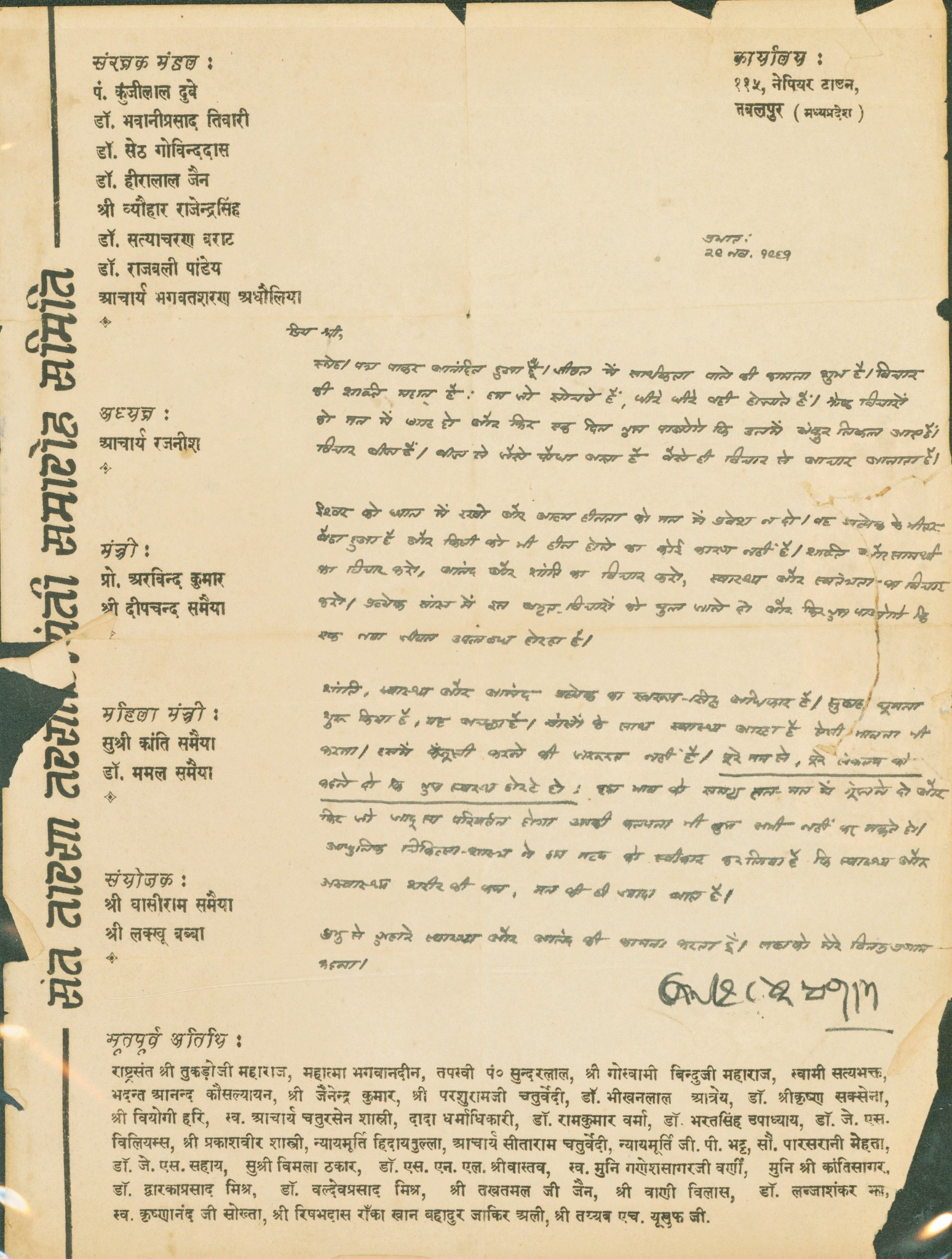
Letters were sometimes found wrapped in newspaper or stored in plastic bags. Paper carried stains from moisture, dust and age. Torn documents had sometimes been repaired with adhesive tape.
Old reel-to-reel recordings were deteriorating. Negatives were fading.
An important influence came through Swami Anand Neeten — Professor Pierre Evald — whose years of research into Osho's life had involved locating and preserving fragile original material. A meeting in Skagen, Denmark, in 2020 brought greater clarity about documentation, handling and long-term preservation.
Preservation was never about ownership. It was about ensuring that what had survived could continue to be cared for.
Among those who had quietly preserved material over many years was Swami Niklank Bharti, Osho's younger brother. He had kept photographs, notebooks and other fragments connected with Osho's early life.
Years later, he brought out a collection of Osho's notebooks and old files — some dating from Osho's teenage years — and entrusted them for their future preservation.
“If you find a successor to whom you can hand them over, do so. If you cannot find a successor, put them in the river.”
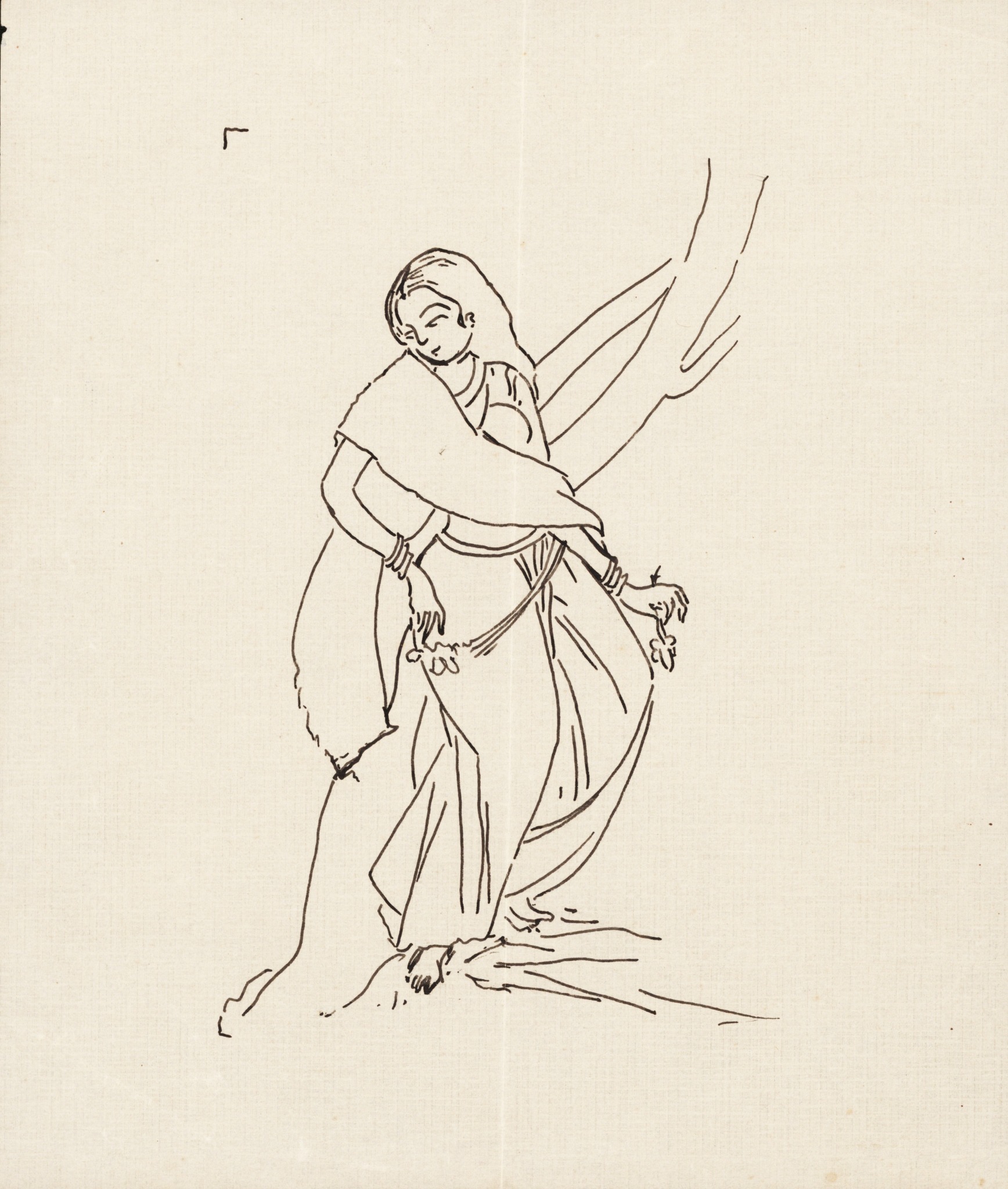
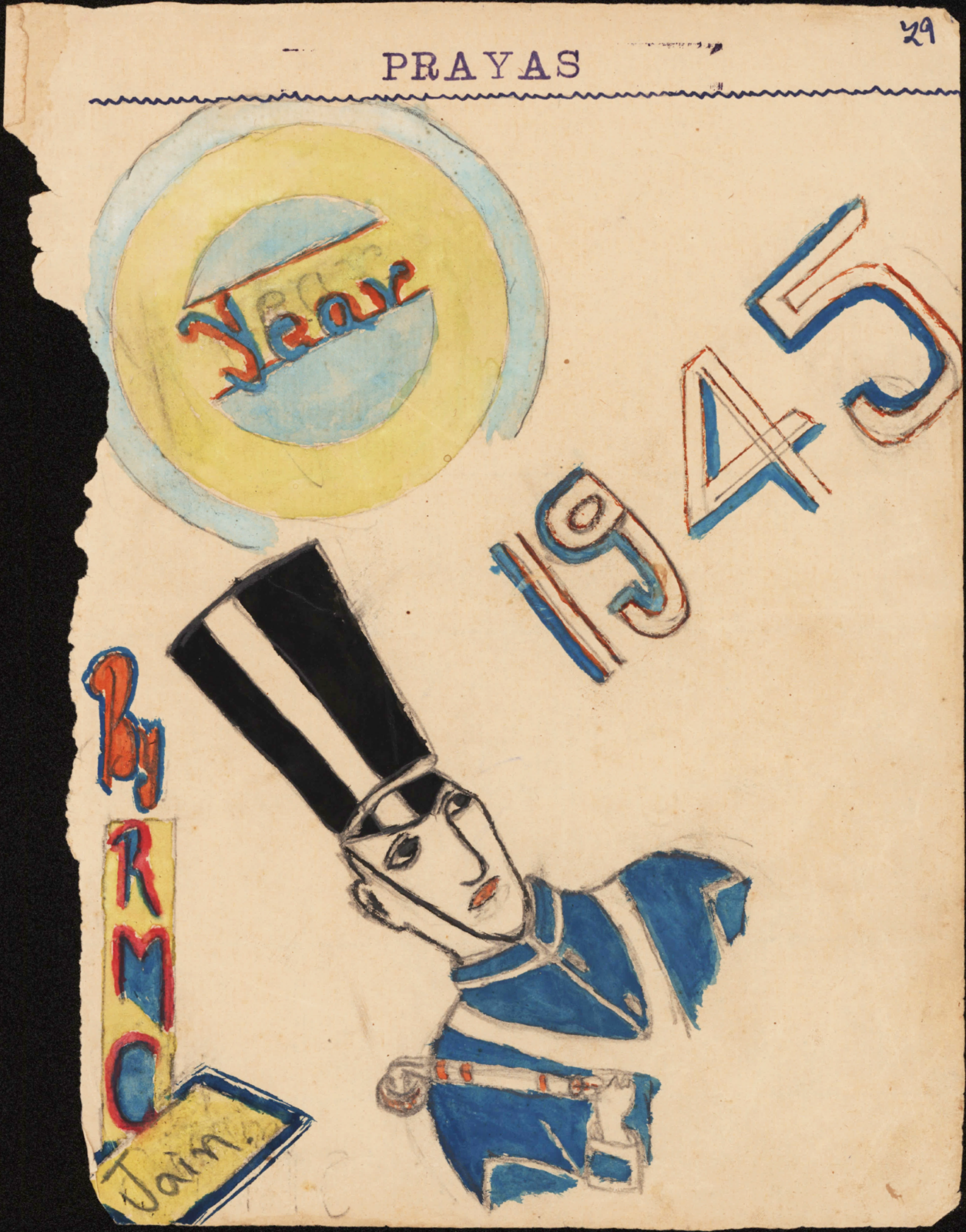
An original work made by Osho, preserved across decades by his younger brother, Swami Niklank Bharti, and later entrusted to the Osho Resource Center for its future care.
Other original material came through different journeys — from people who had preserved letters, manuscripts, photographs, books, recordings and personal material over many years.
What connected these different sources was not ownership, but trust: the wish that what had survived should continue to be cared for.
There is still much that remains outside archives. Letters, photographs, recordings, robes, notes and books continue to be kept in homes and personal collections — sometimes carefully preserved for decades.
Time passes. Climate takes its toll. Technologies become obsolete. Collections pass between generations. Context can disappear even when the object itself survives.
The purpose is not simply to accumulate material. It is to preserve original sources, their evidence and their historical context, so that they can continue beyond the people who presently care for them.
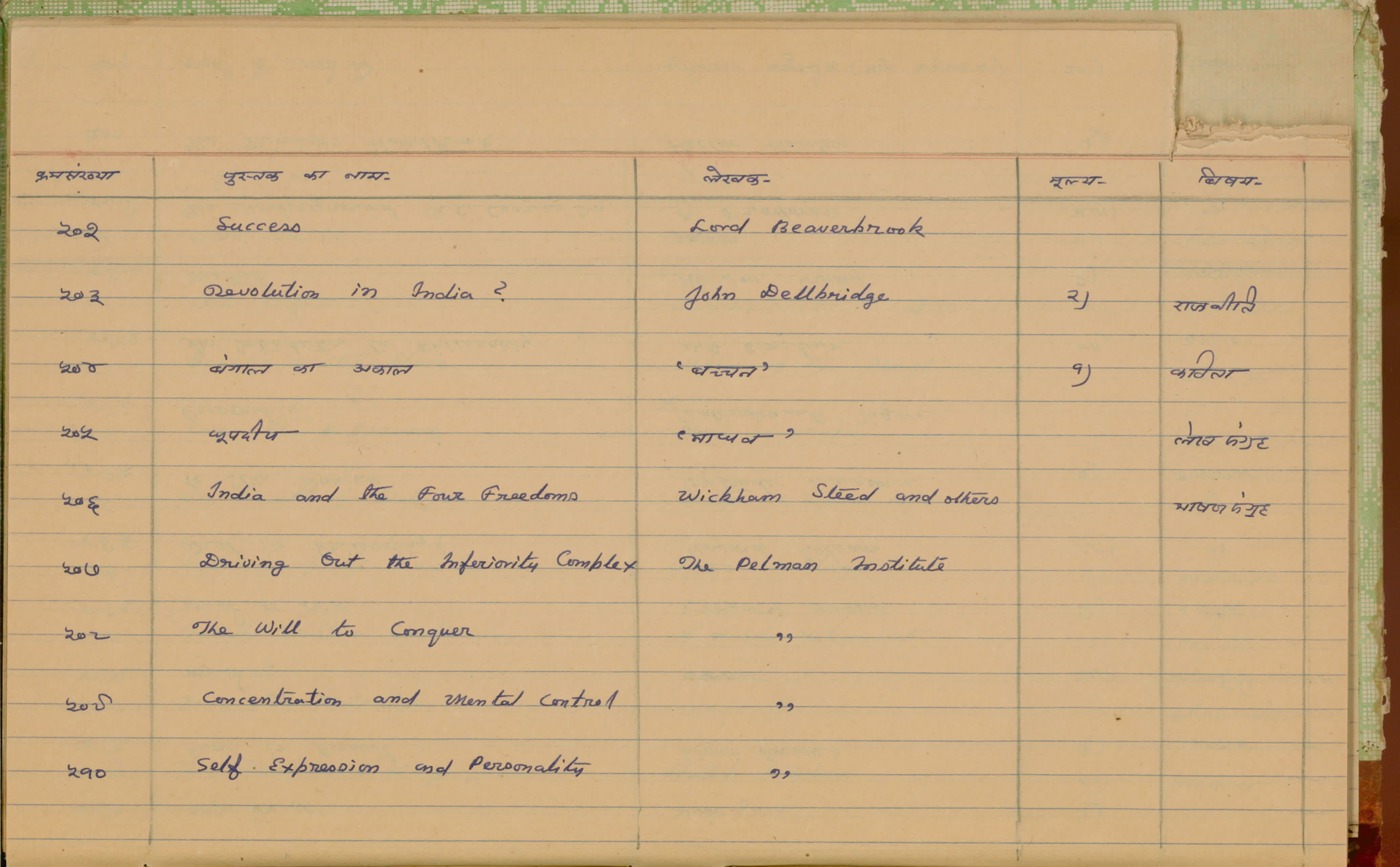
One surviving handwritten register records books from Osho's personal library between 1946 and 1954.
More than a list of titles, its pages preserve Osho's handwriting, the sequence of entries, authors and other details recorded at the time.
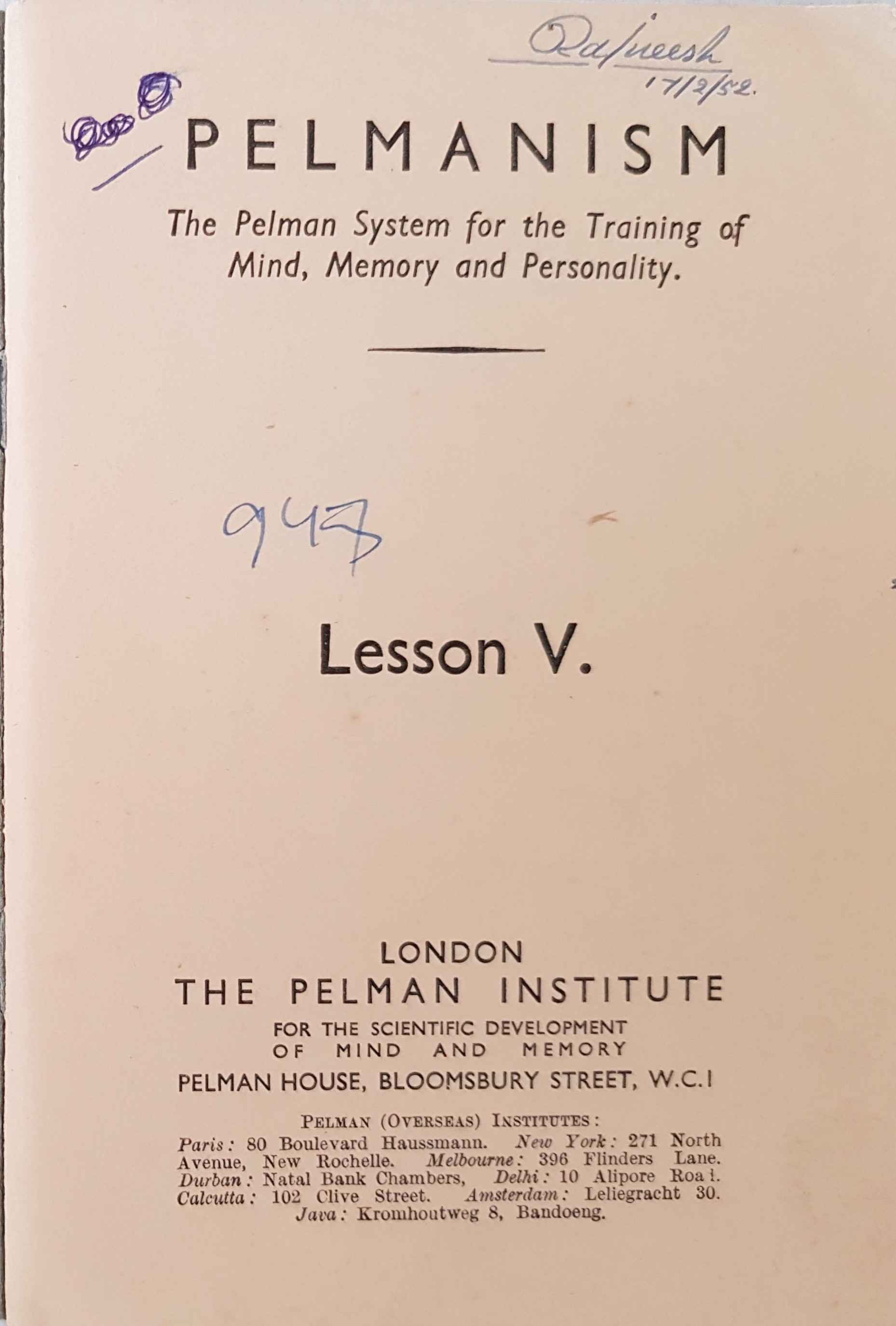
The register records the book.
The book itself survives.
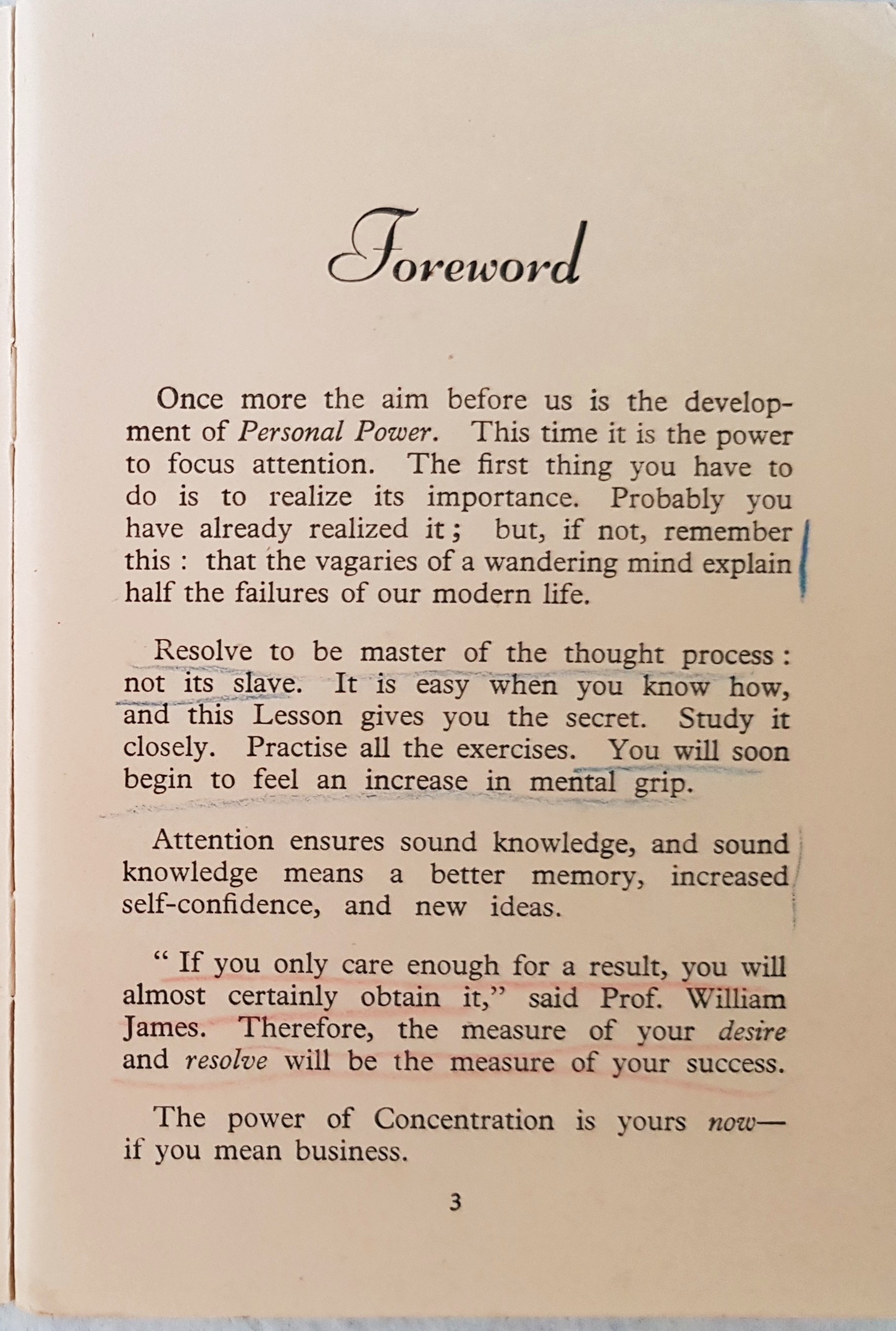
Marks made while reading remain on its pages — passages noticed, lines underlined, traces of an encounter with the text.
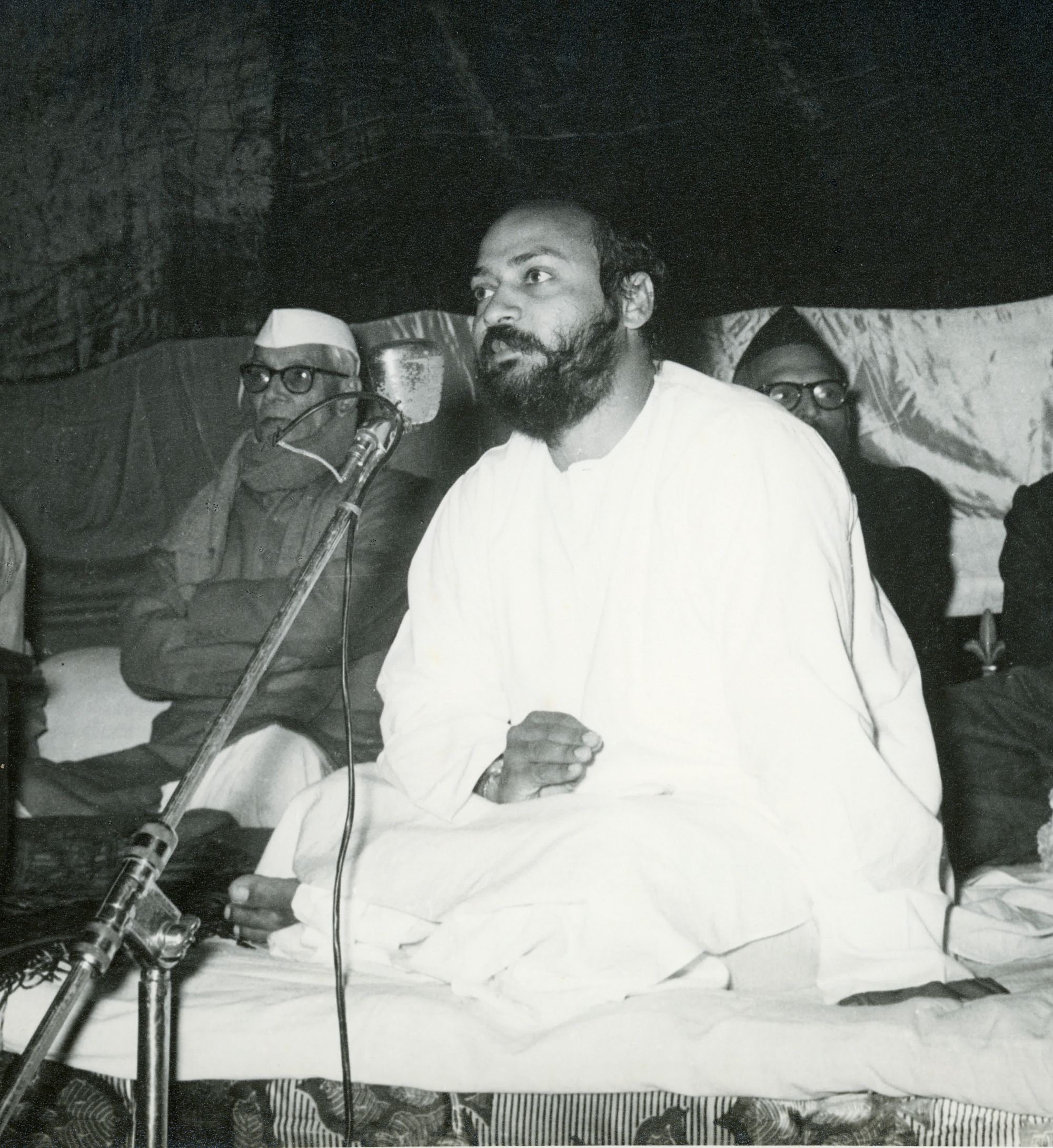
A photograph preserves the appearance of a moment. A surviving recording preserves something different: the voice itself.
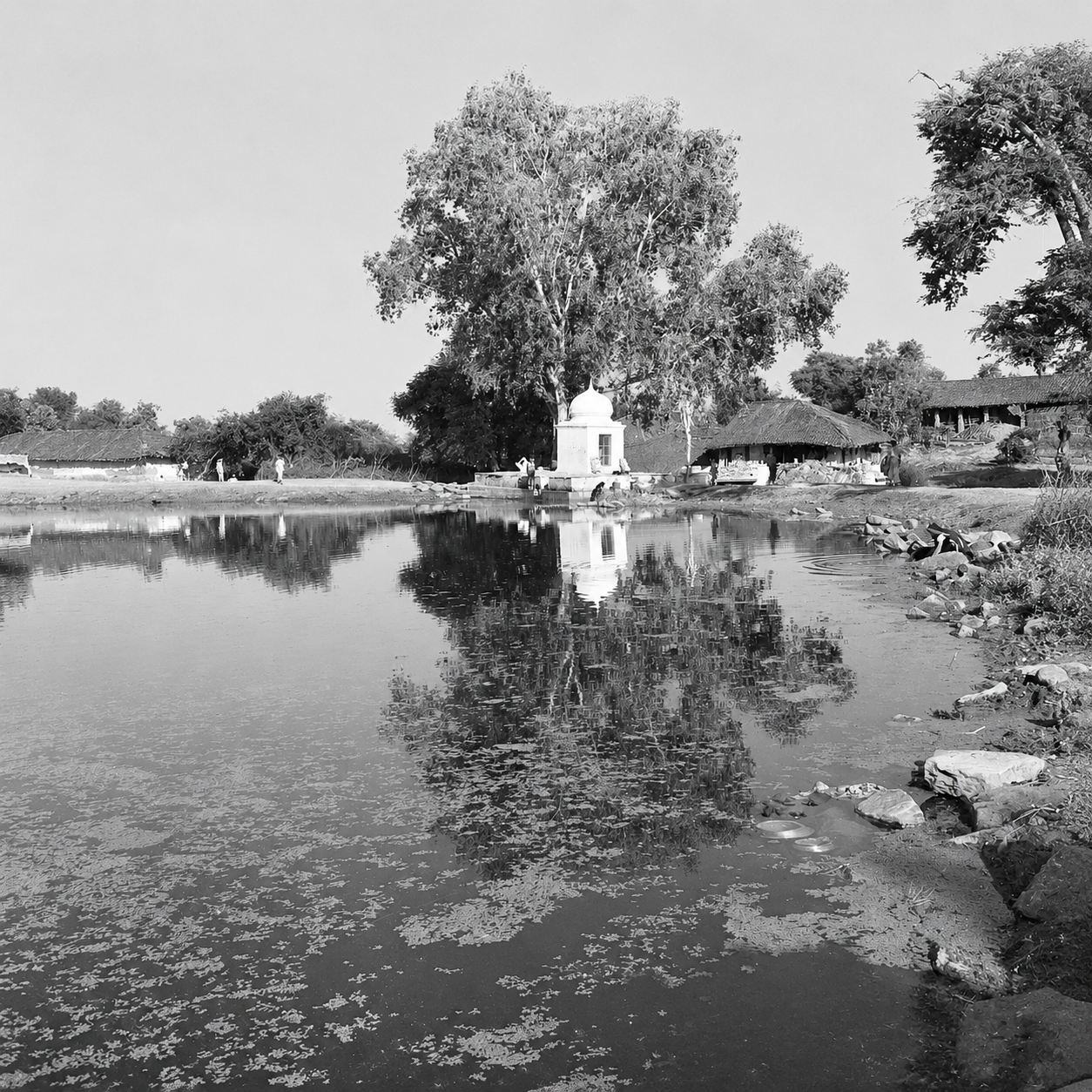
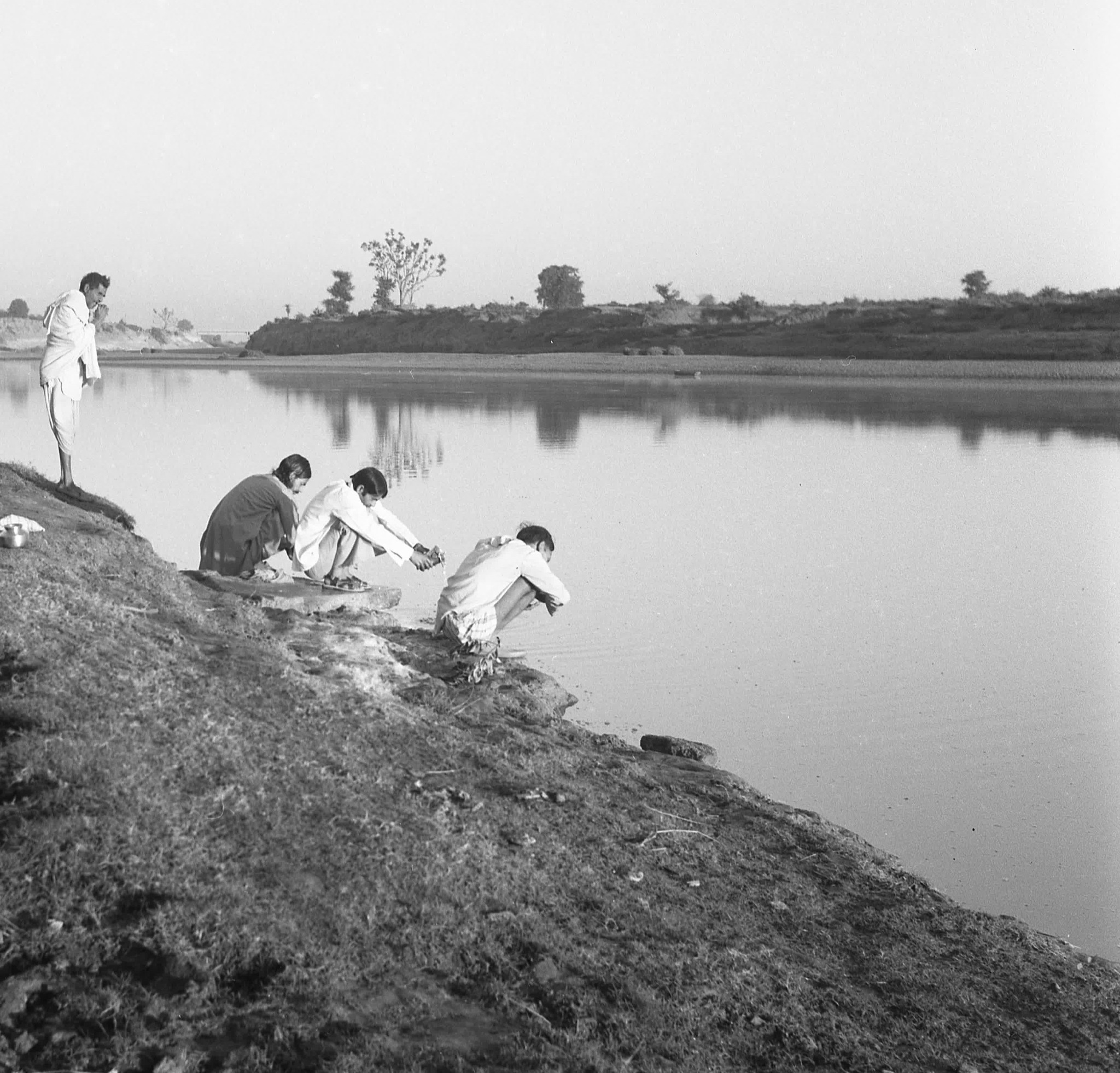
Osho studied for his B.A. in Jabalpur, first at Hitkarni College and later at D. N. Jain College.
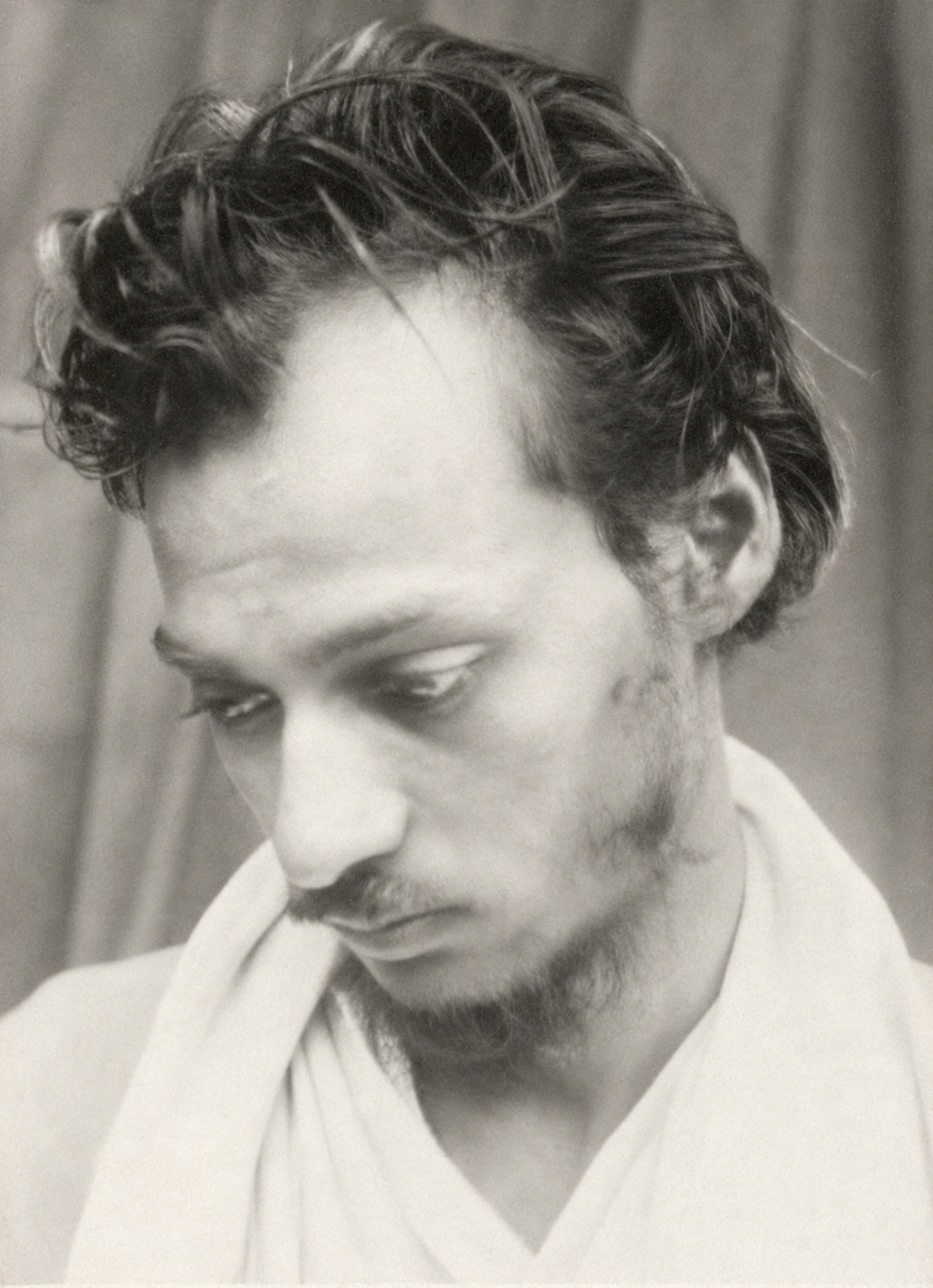
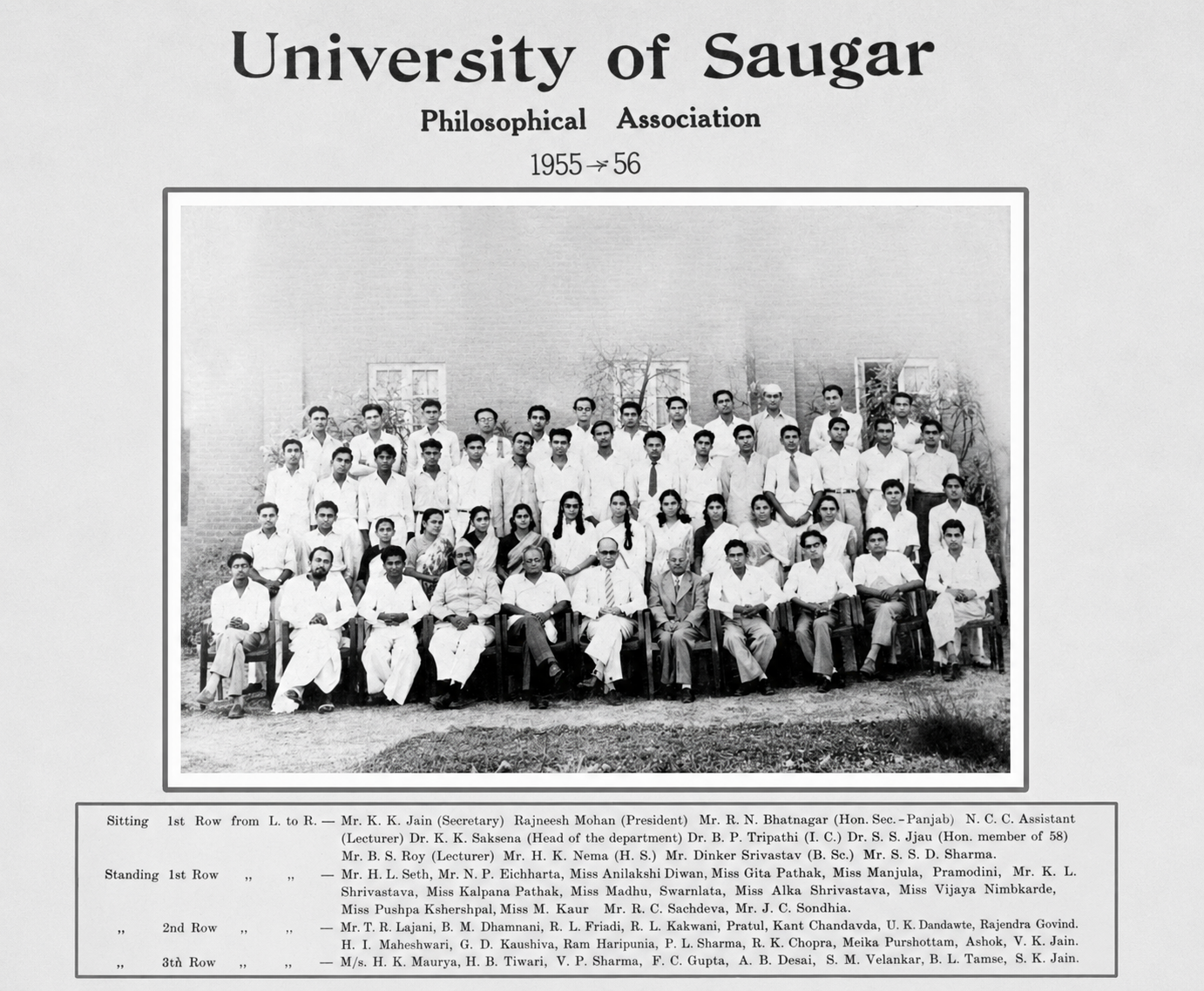
Osho came to Sagar in 1955 to pursue his M.A. in Philosophy at the University of Sagar, completing his degree in 1957.
After completing his M.A., he briefly taught at DSV Sanskrit College, Raipur, before moving to Jabalpur.
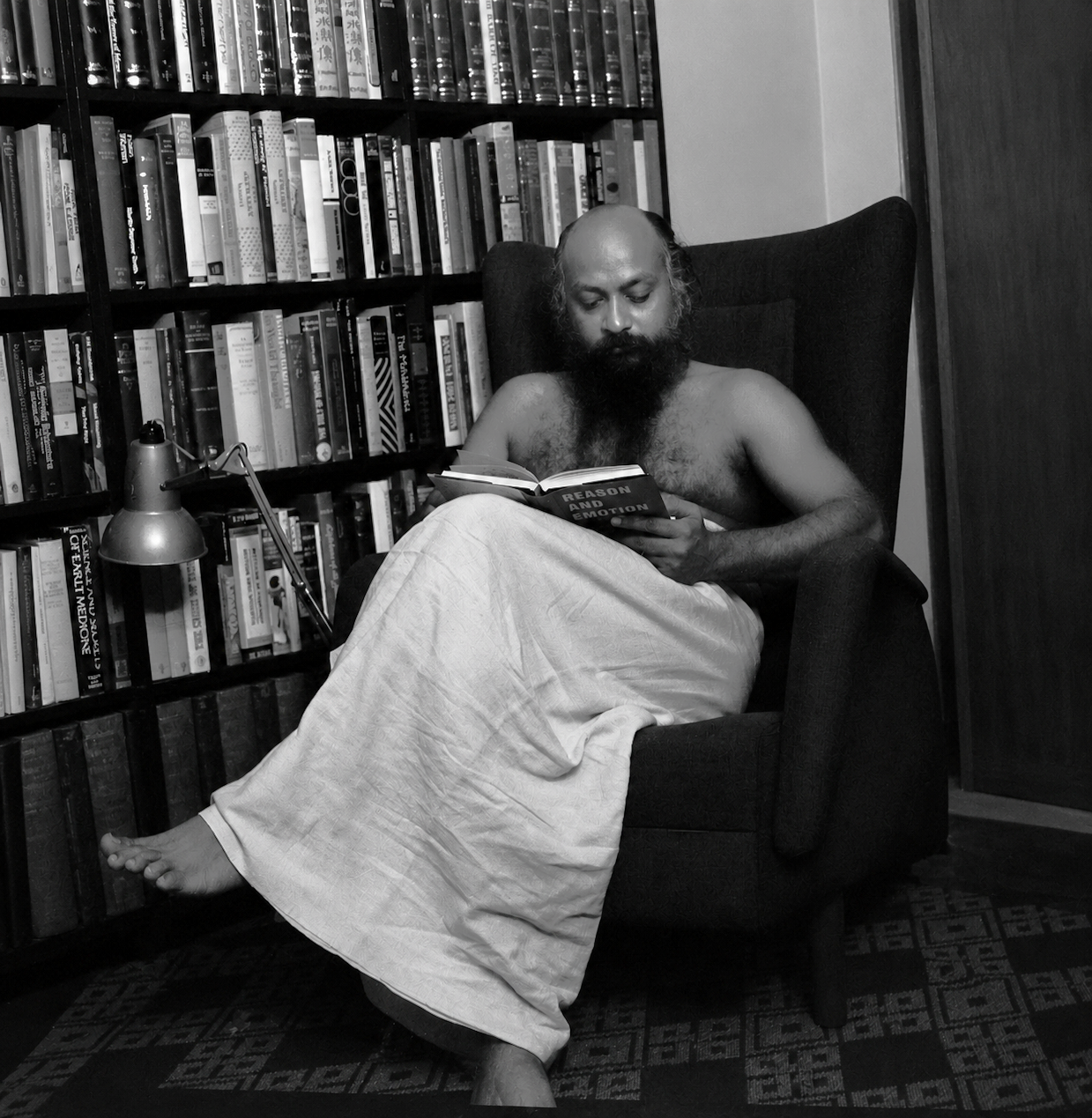
Osho joined Mahakoushal College as a Professor of Philosophy in 1958. He taught there until 1966, while continuing to travel and speak in different parts of India.
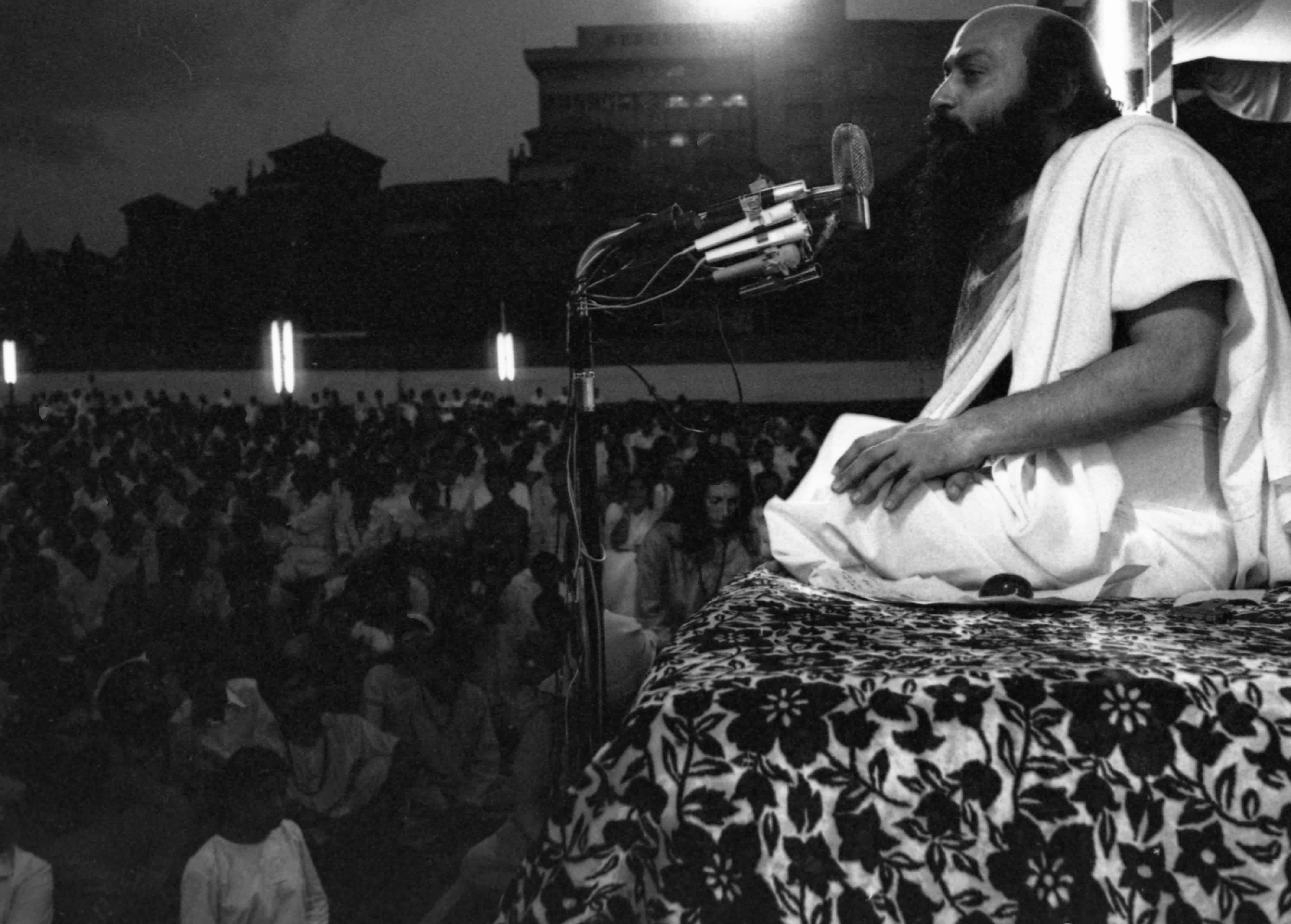
Osho moved to Bombay in 1970. During these years, his talks and meditation camps continued, drawing people from India and increasingly from around the world.
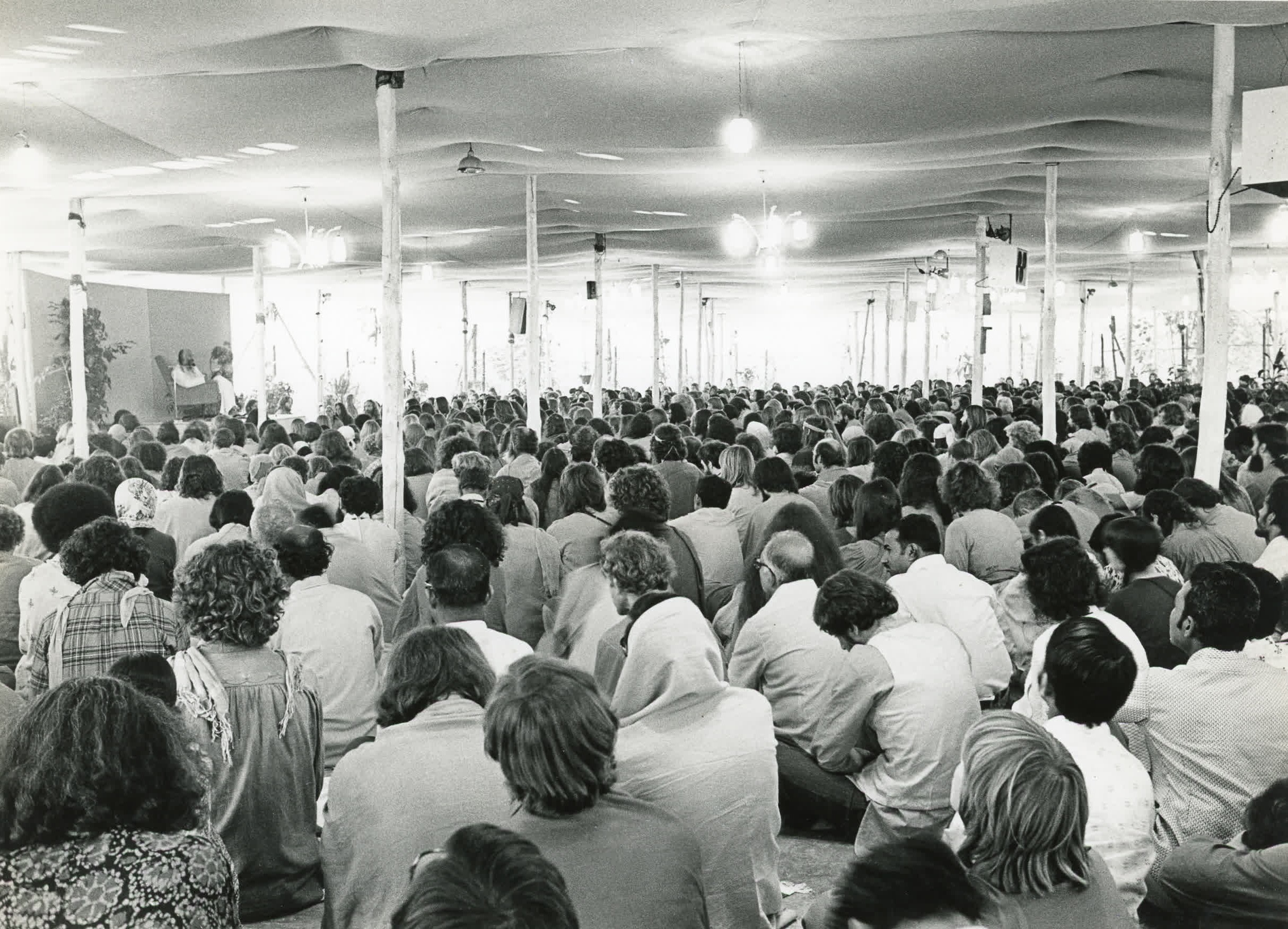
In March 1974, Osho moved from Bombay to Poona. Later that year, a new commune began around his residence at Koregaon Park, where he spoke each morning and meditation became central to the life developing around him.
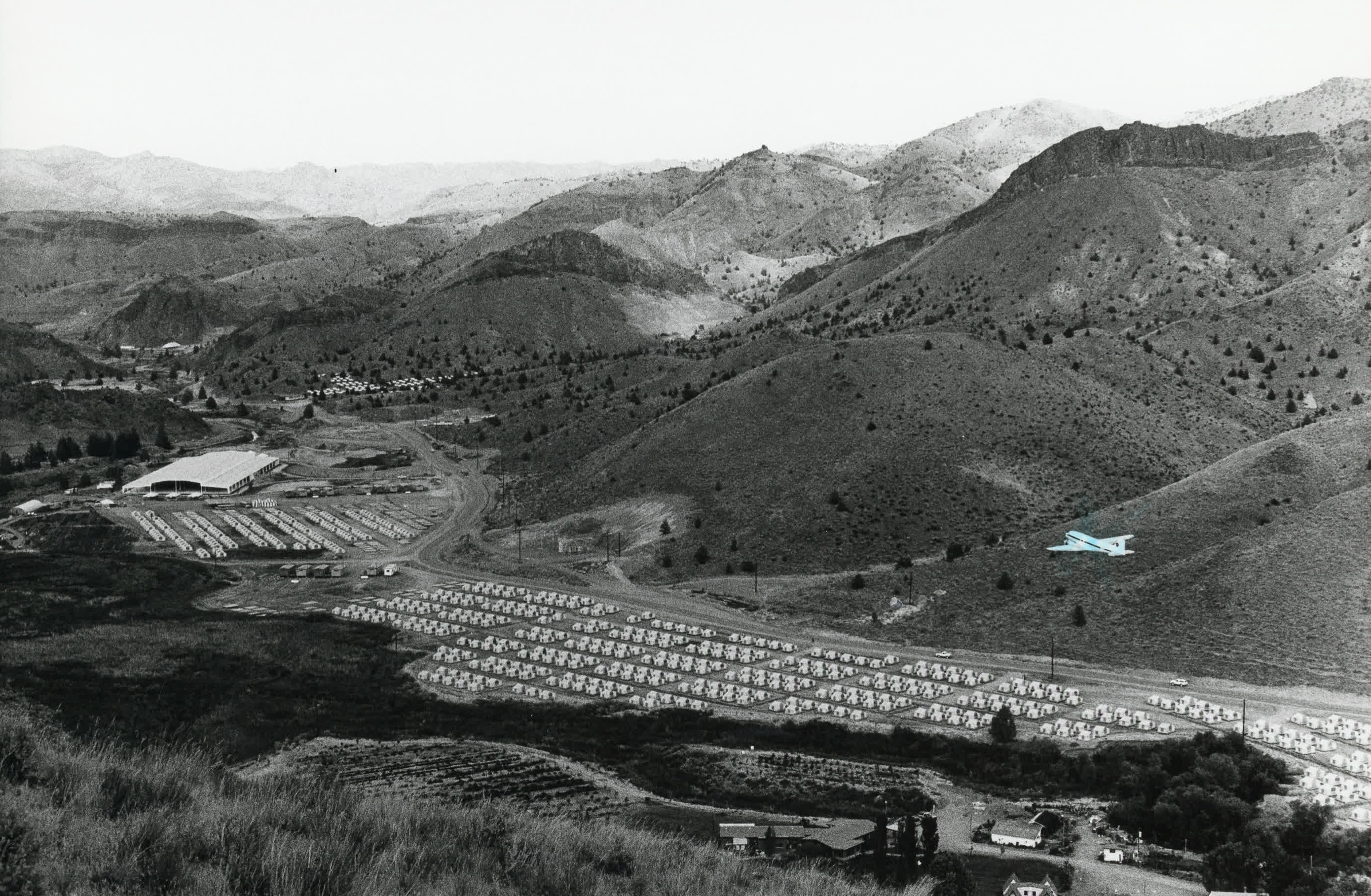
In 1981, Osho travelled to the United States. In the high desert of central Oregon, his people created the City of Rajneeshpuram in less than two years, with roads, homes, farming, a dairy farm, school, post office, airport, dam and other facilities of a city.
Osho arrived in New Delhi on 17 November 1985 and left for Manali the same day. On 3 January 1986, the journey continued to Kathmandu.
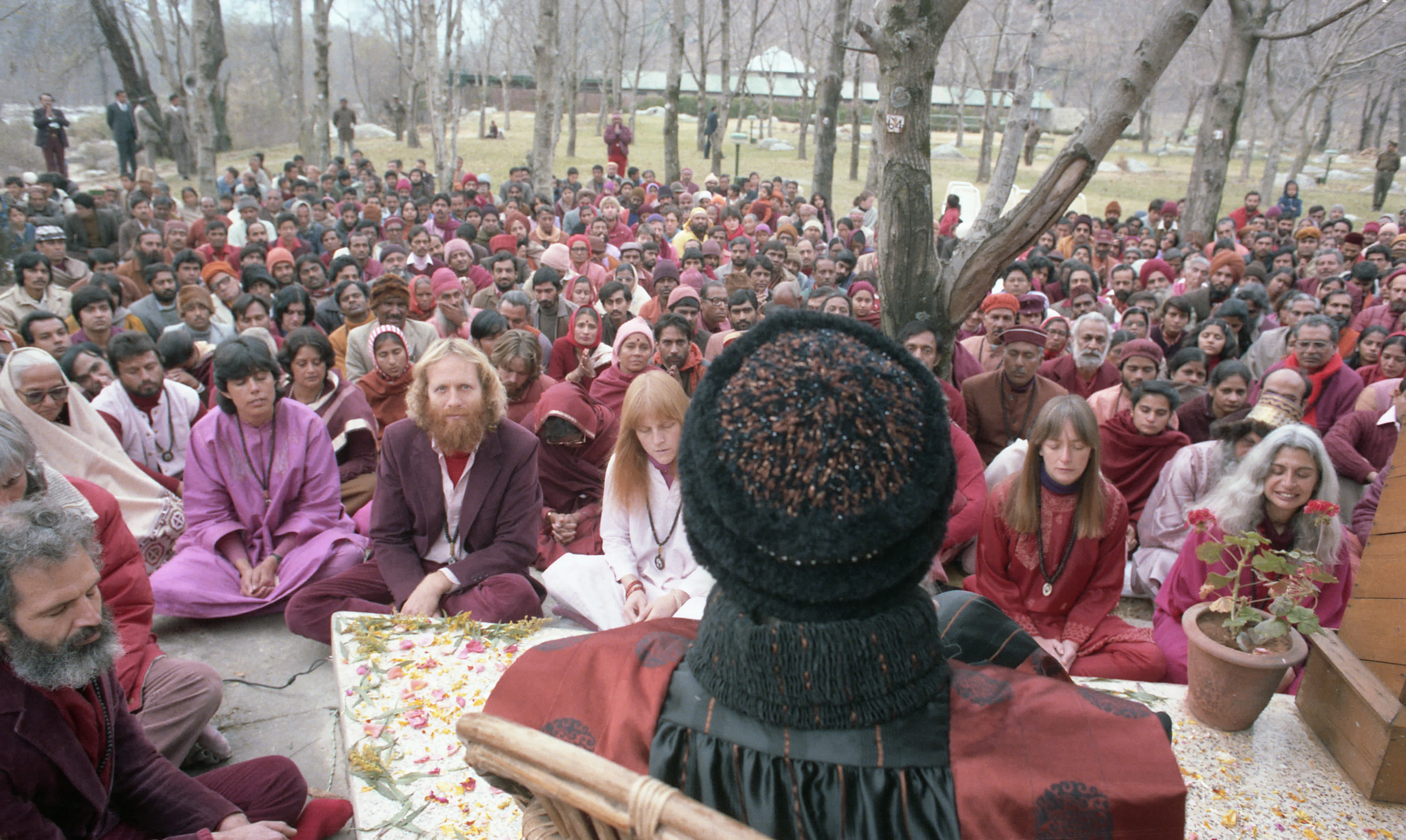
Selected photographs accompany the route; not every stop is illustrated.
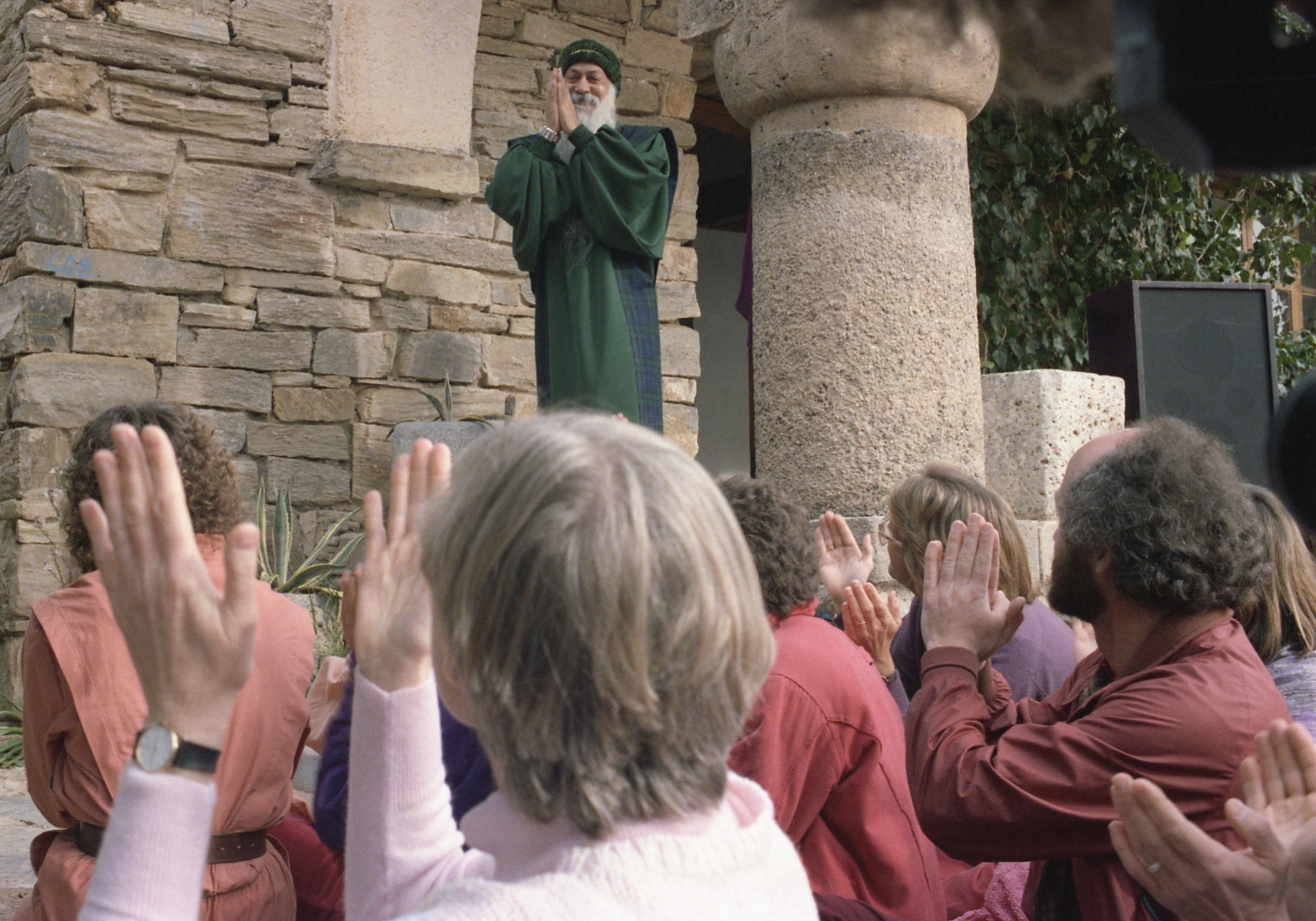
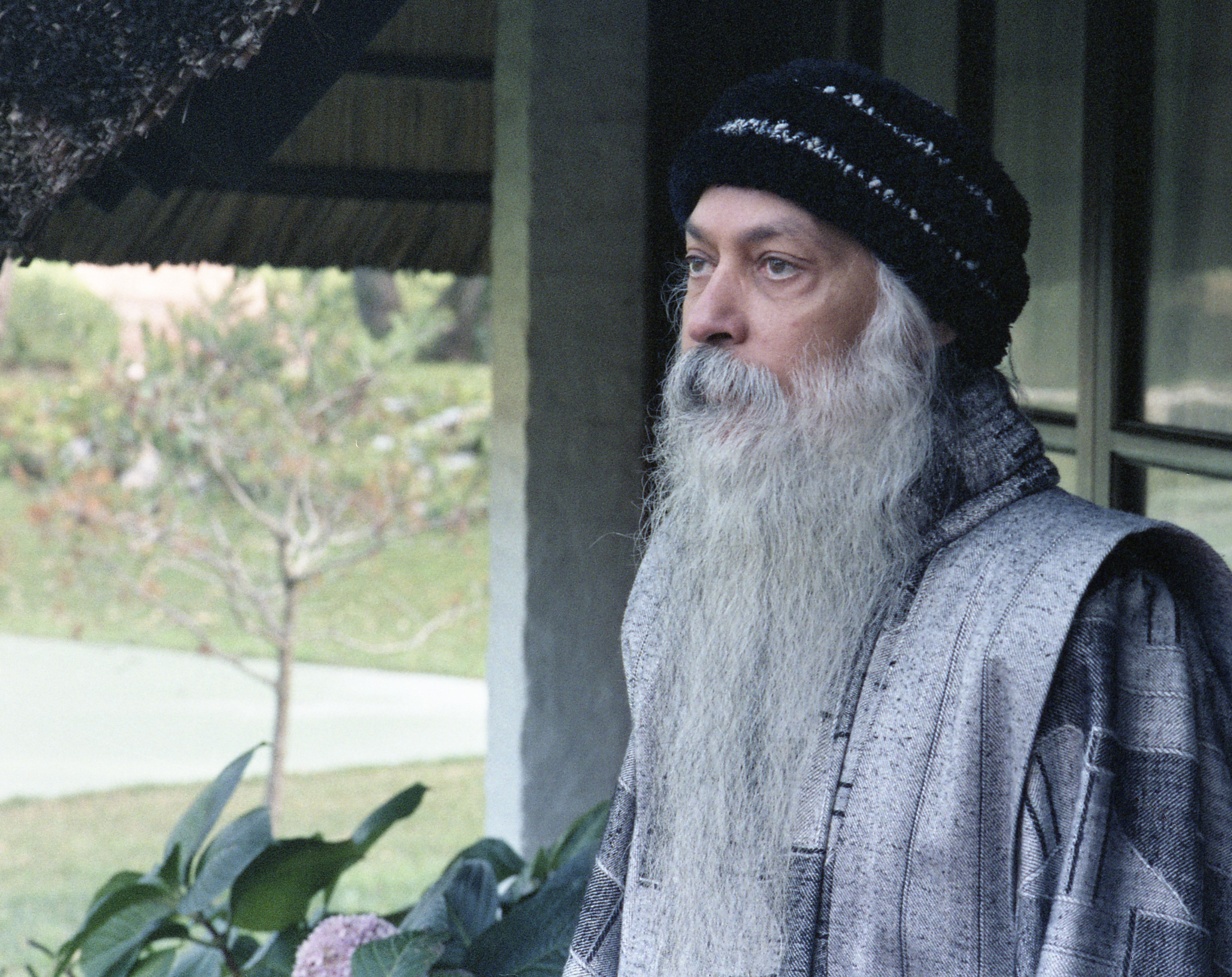
Osho returned to Bombay on 30 July 1986. On 3 January 1987, he returned to Poona.
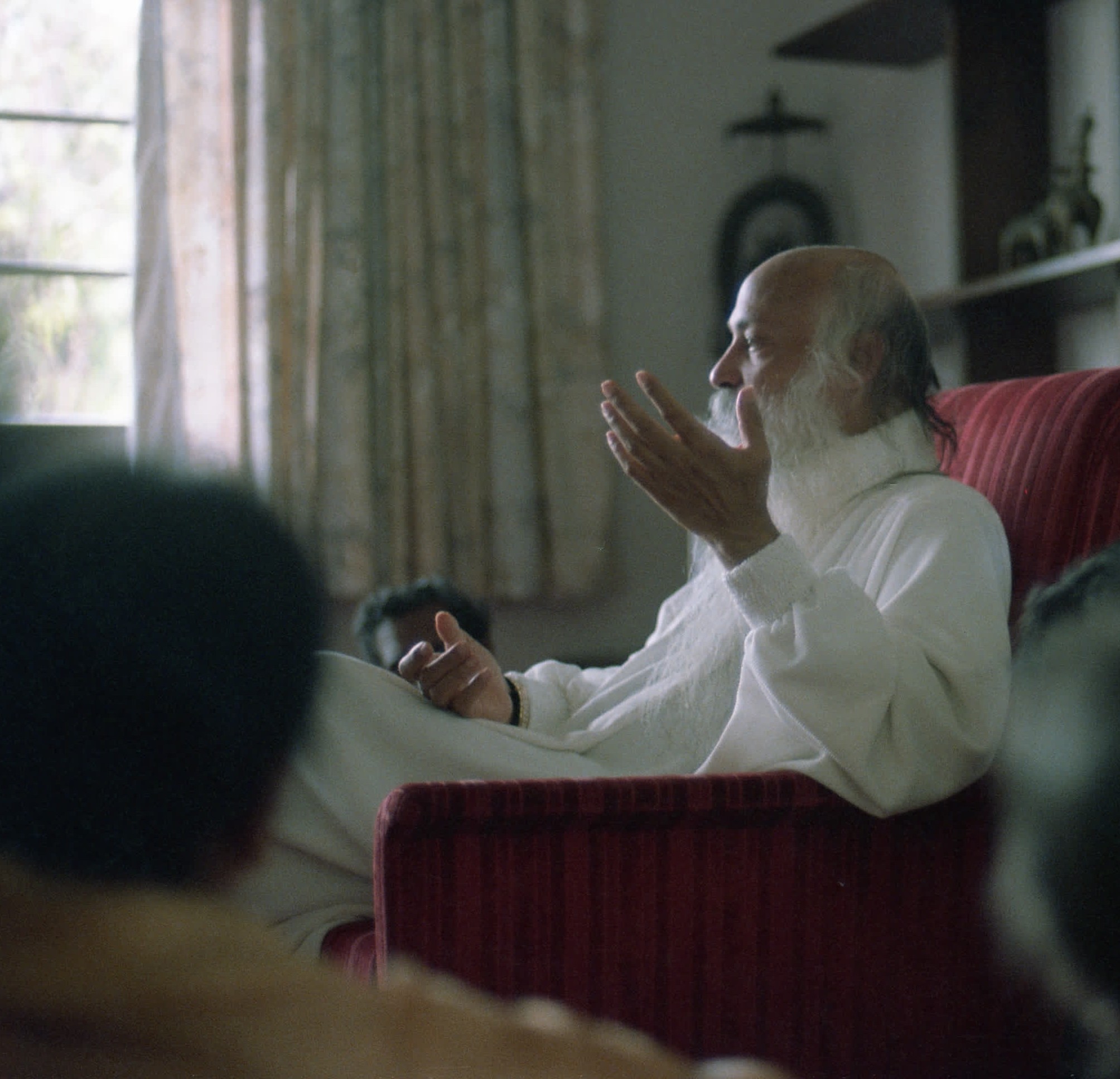
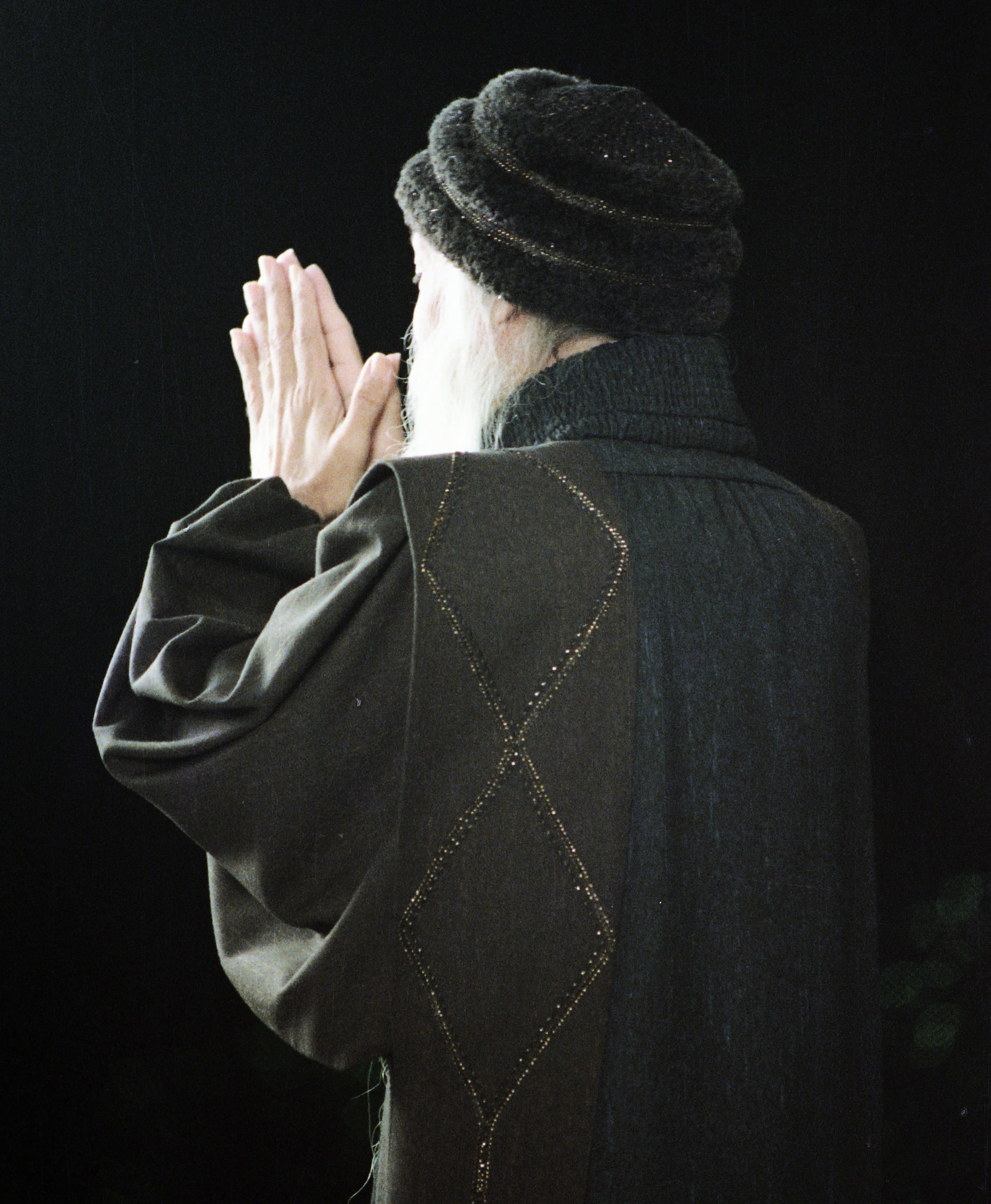
Photographs, manuscripts, books, textiles, recordings and objects do not survive in the same way. Each requires its own method of care, documentation and preservation.
Photographic material reaches the archive as paper prints, negatives and transparencies. Each is first examined and carefully cleaned of surface dust before digitisation.
Dedicated high-resolution scanners are used for negatives and transparencies; paper photographs are scanned separately. After scanning, scratches, white spots and other foreign marks may be carefully removed from the digital image. The physical originals are numbered, indexed and placed in acid-free archival enclosures under controlled conditions.
When manuscripts, handwritten letters and notebooks enter the archive, surface dust is carefully removed. They are digitised and indexed before being placed in archival sleeves with acid-free paper and stored in archival-quality boxes.
Pages are not repaired simply to make them look new. The material is preserved in the condition in which it has survived.
First-edition books, periodicals, manuscripts, letters, notebooks and documents relating to Osho’s work are systematically digitised. Different materials require different equipment and handling.
Books and periodicals are scanned using equipment suited to bound material; photographic prints, negatives and transparencies follow separate workflows.
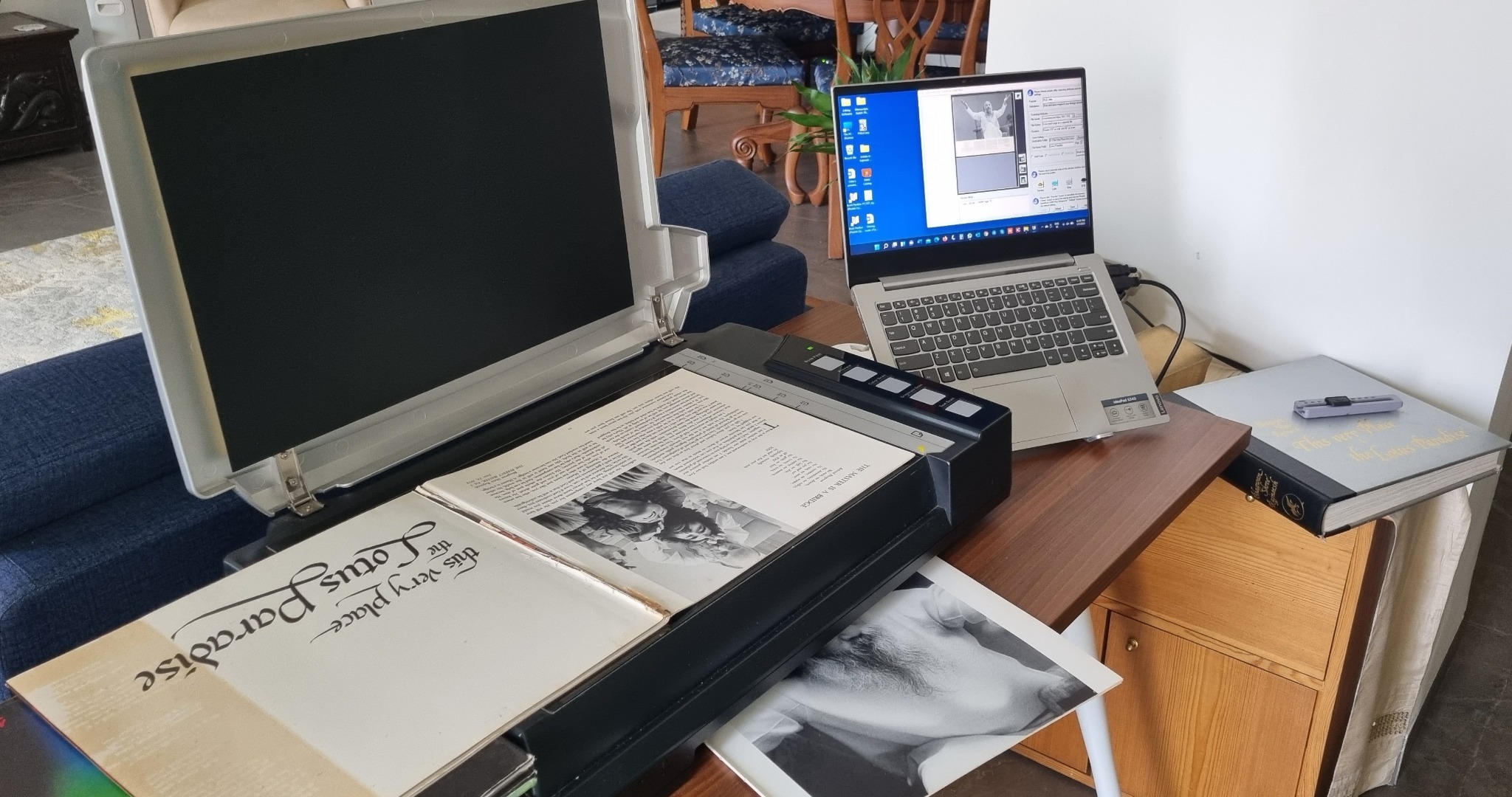
First editions, periodicals and other publications are digitised and preserved in dedicated, dust-free storage.
Robes and other textiles are examined individually. Where appropriate, stains are treated and the textile carefully cleaned before being placed in archival-quality, acid-free textile covers.
Pens, watches and other personal objects require another form of protection and are maintained in protective glass enclosures.
When material enters the archive, whatever information can be established about its source and history is recorded. Objects are numbered and indexed, with identifying information and a thumbnail image helping maintain the connection between the physical material and what is known about it.
With time, an unidentified photograph, an undocumented letter or an object separated from its history can lose part of its meaning even if the object itself survives perfectly.
Some early recordings survive on reel-to-reel tapes. Ageing tapes can be fragile: they may break during playback or adhere to the equipment. Before digitisation, the reels therefore require careful examination and cleaning, and suitable vintage playback equipment is maintained for this work.
This work has brought to light discourses that were not present in the existing records. Audio cassettes are similarly digitised using dedicated equipment.
When archival material appears on 8mm or 16mm film, digitisation is entrusted to professional facilities equipped for specialist handling.
Digitisation does not mark the end of preservation. The digital archive itself must continue to survive.
Multiple independent copies are maintained across different storage systems and locations, including network storage, private cloud storage and dedicated archival drives.
The technologies will change. The responsibility does not.
Photographs, correspondence, publications, manuscripts, recordings and other records can together provide a deeper understanding than any one source viewed in isolation.
A date on a letter may correspond with a photograph. A handwritten inscription may locate a book in a particular period. A periodical may establish when a discourse first appeared in print. A recording may clarify a later transcription.
The archive can support enquiry into chronology, publications, correspondence, discourses, provenance, editions and other historical questions.
Where an enquiry requires material beyond what is publicly available, access may be considered for serious research following verification of the researcher, the purpose of the enquiry and the proposed use of the material.
Where access is approved, it is provided on a limited basis and only to material relevant to the research enquiry.
Consideration may also depend on provenance, rights, preservation requirements and the nature of the material.
Researchers wishing to enquire may write with a brief description of their research, the material or subject they are investigating, and its intended use.
oshoresourcecenter@gmail.comSometimes their historical value is obvious. Sometimes it is not.
Original archival material may be entrusted permanently to the Osho Resource Center for preservation and documentation.
Where an owner wishes to retain the original, material may be received temporarily for digitisation and documentation and then returned.
High-quality scans, photographs, audio, video and other digital files are welcome.
Historical information already known about material — such as its date, place, provenance or circumstances — may also be shared with the Resource Center.
Its collections bring together original photographs, letters, manuscripts, first-edition books, periodicals, recordings, films, documents and personal objects so that they may remain preserved as part of the historical record.
Around 2017, a search began for some of Osho's early first-edition books. Many had become difficult to find. Some had disappeared; others survived in damaged or fragile condition.
The search gradually led beyond books — to photographs, letters, recordings and other material preserved by people who had been connected with Osho. Much of it had never been properly documented or preserved.
What began as collecting slowly became something else.
Over time, original letters, photographs, books, manuscripts, notebooks, robes and other personal material began to be entrusted for long-term preservation.
Some of this material had survived for decades because individuals and families had quietly kept it safe. As it entered the archive, preservation became more than a technical process.
It became a responsibility to the material, its provenance and the trust with which it had been passed on.
The purpose of preserving an original object is not to turn it into something sacred.
A robe, handwritten page, photograph, book or personal object carries value through its relationship to a life, a time and a history.
The challenge is to preserve such material without separating it from that context or allowing the object itself to become the story.
The archive is not considered complete.
Preserving a historical record is an ongoing responsibility.
Those who feel connected with this work sometimes ask how they may be part of its continuation.